Corporate gifting is remembered through small, tangible details: a firm lid, a clean ribbon pull, and a message that feels personal. Custom Corporate Gift Rigid Boxes turn those details into part of the gift itself. In 2026, choosing the right box means balancing presentation, protection, budget, and material choices—not simply selecting the most luxurious finish.
The market context is significant. Smithers’ 2019 forecast, The Future of Global Packaging to 2024, projected global packaging sales would reach $1.05 trillion by 2024. That figure is a forecast, not a current market total, but it shows the scale of packaging’s commercial role. Sustainability also shapes buyer expectations. McKinsey’s 2020 U.S. consumer research found that roughly 60–70% of respondents were willing to pay more for sustainable packaging, depending on the packaging type. Corporate gift buyers should treat that finding as a signal, not a promise that every recipient prefers the same materials.
Practical choices matter. A rigid box may protect a glass award or a set of branded notebooks, while magnetic closures and fitted inserts can improve presentation and reduce movement in transit. Yet extra finishes can add cost and material. That trade-off deserves attention. This guide compares box styles, customization options, materials, and ordering considerations to help teams choose packaging that feels thoughtful and works reliably. Looks count. So does what happens after opening.
What Defines a Custom Corporate Gift Rigid Box in 2026?
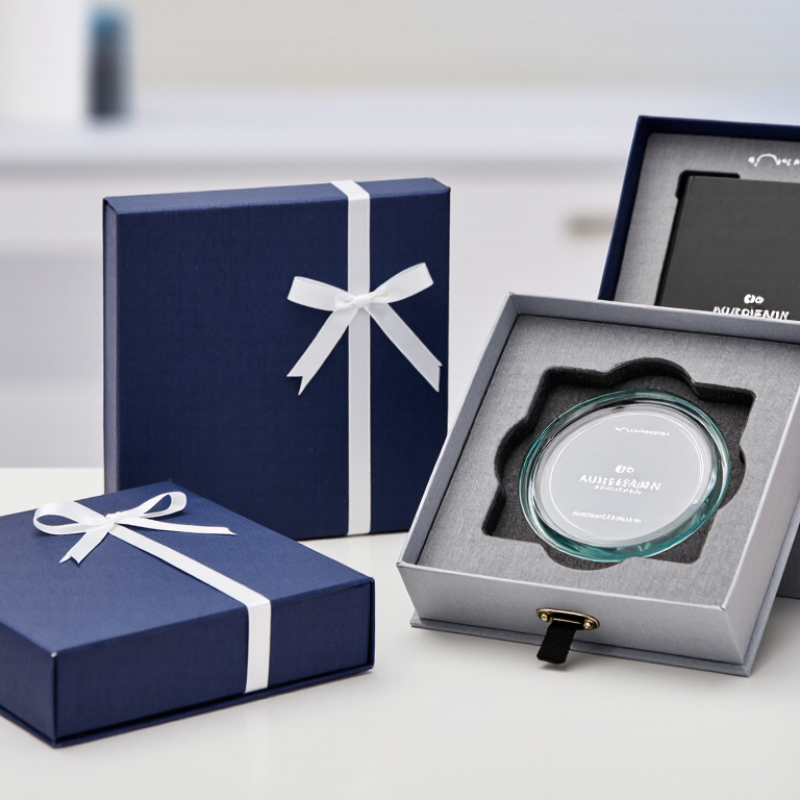
In 2026, a custom corporate gift rigid box is more than a decorated container. It is a purpose-built presentation package made from thick, non-collapsible board, usually wrapped in printed or textured paper. Its structure should suit the gift: a snug shoulder box for a keepsake, or a hinged lid for items that need a wider opening. Fit matters. A loose insert lets products shift; an overly tight one can scuff finishes or make unpacking awkward. Experienced packaging teams check item dimensions, protective clearance, and transit conditions before approving a sample.
Customization includes the interior, not only the lid. Die-cut paperboard, molded fiber, or fabric-covered inserts can secure gifts, while a short message card adds a personal touch. A clear logo, restrained palette, and tactile finish often feel more considered than crowded graphics. Small details count. Inspect hinge alignment, wrapped corners, print color, and lid closure using a physical sample with the actual gift inside.
Material choices deserve scrutiny. Recycled content and paper-based inserts may reduce plastic use, but coatings, sourcing, and box weight also affect environmental impact. Ask for material specifications instead of relying on vague eco claims. A rigid box can be reused, though only if its size and finish suit everyday storage. That is not guaranteed.
What Are the Best Custom Corporate Gift Rigid Boxes in 2026? — What Defines a Custom Corporate Gift Rigid Box in 2026?
Compare common rigid-box constructions and practical specifications for corporate gifts. Board thicknesses and material choices below are typical planning ranges, not universal standards; confirm final specifications with the packaging supplier.
| Box style | Typical construction | Suitable corporate gifts | Key advantages | Considerations |
|---|---|---|---|---|
| Shoulder-neck box | Rigid base with a fitted inner neck and a separate lid; commonly made with approximately 1.5–3 mm greyboard wrapped in paper. | Awards, premium stationery, desk accessories, and presentation gifts. | Distinctive layered opening and a solid, structured feel. | The fitted neck requires accurate sizing and adds material and assembly steps. |
| Magnetic-flap box | Book-style rigid construction with a hinged cover and embedded magnets; often supplied flat or pre-assembled depending on design. | Welcome kits, notebooks, drinkware, and multi-item employee gifts. | Convenient open-and-close format with a large printable cover area. | Magnets and rigid construction can increase weight; check shipping and recycling requirements. |
| Lift-off-lid box | Separate rigid base and removable lid, with the lid designed to fit over the base walls. | Gift sets, food assortments, apparel accessories, and presentation packages. | Straightforward structure that can be made in many shapes and sizes. | Allow suitable clearance so the lid can be removed without damaging the wrap. |
| Drawer-style box | Rigid outer sleeve with a sliding inner tray, often fitted with a fabric or paper pull tab. | Small electronics, accessories, chocolates, and compact gift collections. | Creates a controlled reveal and keeps the contents enclosed. | Tray clearance and surface friction affect how smoothly it slides. |
| Collapsible rigid box | Rigid panels joined with flexible paper or fabric hinges so the box can fold flat and be assembled for use. | Larger gift kits and programs where storage or freight volume matters. | Ships and stores flatter than a comparable pre-assembled rigid box. | Hinges and closures need testing for repeated assembly and use. |
| Custom-fit presentation box | Rigid outer box paired with a fitted insert made from materials such as paperboard, molded pulp, or foam, selected for the product and protection needs. | Fragile awards, glassware, devices, and coordinated multi-piece gifts. | Helps organize items and limit movement when the insert is properly designed. | Insert material should be chosen for fit, protection, presentation, and end-of-life handling. |
2026 selection checklist: Define the packed product dimensions and weight, choose a closure and board construction, specify the wrap and finish, assess insert fit and transit protection, and review recyclability and shipping volume. Request a physical sample before approving production.
FAQS
Dense greyboard around 1.5–3 mm often feels firm. Thickness alone is not enough; weak board can still bend under a heavy gift.
Inspect the corners, lid fit, and flatness of the base. Place the gift inside and handle the box. A desk sample can still fail in transit.
Matte paper can hide fingerprints, while textured or uncoated paper adds grip. Both may scuff during shipping. There is no perfect finish.
It should hold the item securely without forcing it into place. A snug insert can protect a ceramic cup, but an overly tight fit frustrates recipients.
Molded pulp and paperboard suit many gifts. Foam can provide close cushioning, but mixed materials may complicate sorting. Check how the complete box is handled locally.
No. Coatings, laminations, magnets, and mixed-material inserts can affect recycling. Ask for material details; the answer may depend on local facilities.
A recipient’s name, a short handwritten note, or a fitted insert can add care. Restrained foil and a magnetic closure add tactile detail without covering every surface.
Choose a close-fitting box, a useful tray, and enough cushioning for the gift. Heavier construction may feel special, but it can use more material than needed.
Request a physical sample and test it with the actual gift. Check the fit, corners, and finish. Recycled paper may vary in shade and texture.
Conclusion
In 2026, the best Custom Corporate Gift Rigid Boxes balance dependable protection, refined presentation, and practical business needs. Their quality begins with carefully selected materials and sturdy construction, from durable paperboard to thoughtfully finished surfaces and secure closures. Box depth, inserts, and opening style should suit the gift inside, helping items arrive neatly arranged while making the unboxing experience feel considered and professional.
Design choices can turn packaging into a clear extension of a company’s identity through coordinated colors, restrained graphics, tactile textures, and purposeful personalization. Businesses can compare styles such as lift-off-lid, magnetic-closure, and drawer boxes according to the gift’s size, fragility, budget, and intended impression. Current choices also reflect growing interest in reusable designs, efficient material use, and versatile packaging that remains useful after the gift is opened. By weighing construction, presentation, function, and emerging preferences together, organizations can select boxes that make corporate gifting feel memorable without sacrificing practicality.