Choosing China’s best Custom Skincare Rigid Packaging Boxes supplier requires more than comparing attractive photographs and low quotations. A reliable partner should understand skincare packaging, production tolerances, material performance, and brand presentation. This guide examines how experienced buyers can evaluate suppliers with practical confidence. It considers rigid drawer boxes, magnetic closures, paper-wrapped surfaces, molded inserts, and protective structures for creams, serums, and facial oils.
Details matter. A 30ml glass serum bottle should sit firmly without rattling during transport. The lid should open smoothly, while foil stamping remains clean around small lettering. Samples can reveal weak corners, uneven wrapping, unpleasant odors, or inaccurate colors before mass production begins. These physical checks often provide more useful evidence than a polished catalog.
Supplier reliability also depends on transparent communication, documented quality control, and responsible material sourcing. Buyers should request prototypes, production samples, packaging specifications, and relevant certifications. FSC-certified paper, recyclable components, and suitable water-based coatings may support sustainability goals, but claims must be verified carefully. Not every “eco-friendly” statement is precise. That deserves attention.
The right supplier should also discuss lead times, minimum order quantities, artwork preparation, inspection procedures, and export experience. Clear communication reduces avoidable mistakes. Still, no supplier is perfect, and even experienced manufacturers can face color variation or scheduling pressure. A thoughtful evaluation should acknowledge these risks instead of hiding them. With practical testing and honest dialogue, brands can select Custom Skincare Rigid Packaging Boxes that protect products, strengthen shelf appeal, and support long-term customer trust.
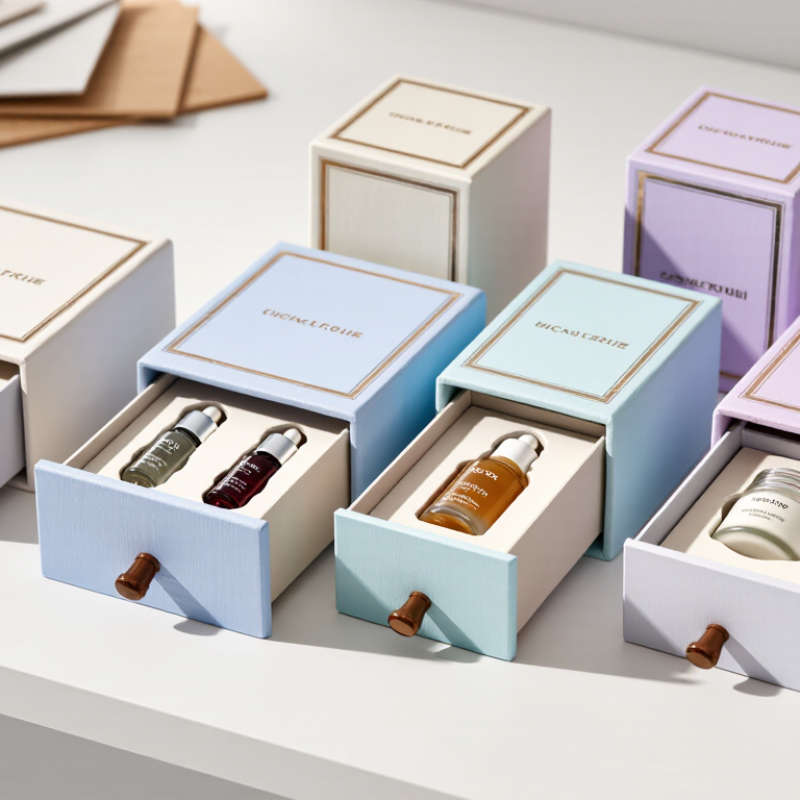
China Best Custom Skincare Rigid Packaging Boxes Supplier?
Custom skincare rigid packaging is a strong, structured box made from thick paperboard, usually covered with printed paper, fabric, or textured material. Unlike folding cartons, it keeps its shape during storage, shipping, and display. A typical design may include a lift-off lid, magnetic closure, inner tray, or molded insert for jars, bottles, and droppers.
The box should fit the product closely. Too much space can cause movement and scratches. Too little space makes removal difficult. Experienced packaging teams check board thickness, corner strength, insert accuracy, and surface resistance before production. They may also perform drop tests and inspect color samples under different lighting. A soft-touch coating feels premium, but it can show fingerprints. Gloss finishes look bright, yet they may reveal small marks more easily. Packaging is rarely perfect.
Tips: Request a physical sample before bulk production. Measure the product, closure, and label area carefully. Test the box with the actual skincare container, not only a digital drawing. Ask about recycled board, water-based inks, and material separation. These details can improve handling and reduce unnecessary waste. A small mistake in the insert can become a costly problem.
Choosing the best custom skincare rigid packaging boxes supplier in China requires more than comparing prices. A reliable supplier understands paperboard grades, magnetic closures, inserts, coatings, and product protection. Details matter. Ask for proof.
Experienced suppliers provide physical samples before mass production. They should explain board thickness, surface finishes, color tolerances, and structural limits clearly. I look for measured prototypes, not only digital pictures. A useful sample shows how a jar fits, opens, and survives handling. Small defects often reveal larger process weaknesses.
Quality control should cover incoming materials, printing, assembly, and final packing. Request inspection records, batch traceability, and realistic production timelines. A professional supplier also communicates quickly when artwork, dimensions, or materials create risks. Sustainability claims need supporting documents, such as certified material records or recycling guidance. Ask for proof.
Reliable cooperation also depends on flexible problem-solving. A supplier may offer a low quotation, yet omit tooling, sampling, or protective transport costs. I have seen attractive proposals change after approval. That experience deserves reflection. Clear contracts, written specifications, and approved samples reduce surprises. The strongest Chinese packaging partner combines manufacturing experience, technical knowledge, transparent communication, and consistent delivery.
Custom skincare rigid boxes begin with the product, not the artwork. Measure the bottle, cap, and closure separately. Leave enough clearance for hand packing and transport movement. A 2–3 mm internal allowance often prevents scuffed surfaces, but fragile glass may need more protection.
Select rigid board thickness according to box size and weight. Use paper-wrapped greyboard for a firm structure and controlled folding lines. Add pulp, paper, or EVA inserts when the container needs stability.
According to Smithers’ 2024 packaging outlook, recyclable and fiber-based formats continue gaining attention as businesses reduce plastic use. However, “recyclable” depends on local collection systems. That detail is often overlooked. Ask a China supplier for material certificates, coating specifications, and pre-production samples.
Visual customization should support recognition without weakening the box. Foil stamping can highlight a logo, while embossing creates a tactile area on a lid. Water-based coatings may suit a softer, more natural appearance. Grand View Research estimated the global cosmetics packaging market at over 30 billion U.S. dollars in 2023, showing strong demand for differentiated presentation. Still, expensive decoration does not guarantee better protection. Request a digital proof, a white sample, and a finished sample before mass production. Test drop resistance, lid fit, insert tolerance, color consistency, and carton compression. Real handling is less forgiving than a computer rendering.
A reliable custom skincare rigid box supplier should understand more than appearance. The box must protect glass jars, pumps, and small accessories during storage and delivery. Experienced suppliers usually recommend 1.5–2.5 mm greyboard for stable construction. Recycled board can also work when the structure is tested properly. Kraft paper adds a natural feel, but its color may affect printed tones.
Printing choices should match the artwork and order quantity. Offset printing suits detailed designs and consistent large-volume production. Digital printing helps with short runs, samples, or seasonal packaging. Request a physical color proof before mass production. Screens can mislead the eye. A supplier should also explain ink coverage, barcode clarity, and color tolerances in writing.
Finishing creates the strongest tactile difference. Matte lamination gives a quiet, clean surface, while soft-touch coating feels smooth but can show fingerprints. Foil stamping adds controlled highlights to logos or borders. Embossing, debossing, and spot UV can guide attention without overcrowding the design. Inserts may use molded paper, foam, or cardboard, depending on product weight and sustainability goals. Ask for compression tests, rub tests, and humidity checks. One overlooked issue is lid fit after coating; added layers can make a box feel tight. Small flaws happen, so inspection standards and replacement terms should be agreed upon before production.
Representative thickness values commonly used for premium skincare packaging structures
Paperboard selection affects box strength, appearance, and finishing performance. SBS and FBB are commonly selected for smooth folding-carton surfaces, kraft board provides a natural appearance, and E-flute corrugated board offers greater cushioning for rigid presentation boxes. Values are indicative industry ranges and should be confirmed with the packaging supplier.
Choosing a custom skincare rigid packaging boxes supplier requires more than comparing quotations. Inspect board thickness, corner alignment, surface coating, and insert stability. A well-made box should open smoothly and protect glass jars during handling. Ask for a physical sample before approving mass production. Photos can hide weak edges.
Cost needs a wider review. Request a clear breakdown for materials, molds, printing, inserts, delivery, and possible revisions. A low unit price may exclude setup charges or create expensive delays later. Confirm minimum order quantities and payment stages in writing. Production service matters equally. Check whether the supplier provides dieline support, color proofing, pre-production samples, quality inspections, and realistic lead times. Ask how defects are recorded and corrected. Their response often reveals practical experience.
Tips: Compare identical specifications. Measure samples yourself. Ask for factory inspection records. Confirm packaging during shipment. Keep approval documents organized. Small details matter.
Do not judge quality from one perfect sample. Review several boxes from different production batches if possible. A supplier may communicate well but still lack stable production control. That is a risk worth discussing. I would also test the box under light compression and repeated opening. This is not a laboratory certification, but it exposes obvious weaknesses. Reliable cooperation comes from transparent costs, documented standards, and honest communication when something goes wrong.
It is a strong, structured box made from thick paperboard. It keeps its shape during storage, shipping, and display. Common designs include lift-off lids, magnetic closures, trays, and molded inserts. It can hold jars, bottles, and droppers securely.
The box should fit the skincare container closely. Too much space allows movement and scratches. Too little space makes removal frustrating. Test the actual container inside the box.
Request a physical sample first. Check board thickness, corner strength, insert accuracy, and surface resistance. Open and close the box repeatedly. Digital drawings cannot reveal every weakness.
Soft-touch coatings feel smooth and refined. However, fingerprints may appear easily. Gloss finishes look bright, but small marks can stand out. No finish is perfect.
Use a stable insert that holds the container firmly. The box should survive normal handling and light compression. Drop testing may reveal weak corners or loose components. Test several samples, not just one.
Look beyond the lowest quotation. Review material knowledge, sample quality, communication, and delivery records. Ask for inspection documents and batch traceability. Ask for proof.
Request separate prices for materials, molds, printing, inserts, delivery, and revisions. Confirm minimum quantities and payment stages in writing. A low unit price may hide setup charges. Unexpected costs are unpleasant.
Ask about recycled board, water-based inks, and material separation. Request supporting documents for sustainability claims. Avoid oversized boxes with large empty spaces. A smaller insert can sometimes reduce waste, but protection must come first.
Custom Skincare Rigid Packaging Boxes are premium, durable containers designed to protect skincare products while creating a refined and memorable unboxing experience. They are made with sturdy paperboard structures, precise dimensions, and practical features such as inserts, magnetic closures, drawers, or lift-off lids. A reliable Chinese packaging supplier should provide clear communication, professional structural design, stable production capacity, strict quality control, and responsive service from sampling to delivery.
Customers can customize box size, shape, compartments, artwork, and opening style according to product requirements. Material choices may include recyclable paperboard, specialty papers, textured surfaces, and protective coatings. Printing and finishing options such as CMYK or Pantone colors, embossing, foil stamping, spot effects, and matte or glossy lamination can enhance visual appeal. When evaluating suppliers, buyers should compare material quality, sample accuracy, production timelines, minimum order quantities, pricing transparency, inspection procedures, and after-sales support to achieve a balance between appearance, cost, durability, and dependable production service.