0%

Choosing a China supplier for Custom Sleep Supplement Folding Cartons involves more than comparing prices. These cartons must protect products in transit, present key information clearly, and fit the brand’s visual identity. Board grade, carton dimensions, inserts, coatings, and print quality all affect the result. A small mismatch can leave a bottle rattling inside—or make the finished pack feel cramped.

Dieter Rams, an influential industrial designer, offered a useful principle: “Good design is as little design as possible.” For sleep supplement cartons, that can mean clean typography, calm colors, and an opening experience that feels considered rather than fussy. It does not mean skipping practical checks. Ask suppliers for material specifications, print proofs, sample cartons, and details about quality inspection. Compare how they handle revisions, production timelines, and protective packaging for shipment. These checks make supplier claims easier to assess.

Custom Sleep Supplement Folding Cartons can be tailored for different bottle shapes, product lines, and retail settings. Still, a polished mock-up cannot prove how a carton performs at scale. Request a production sample. Inspect the folds, glue points, color consistency, and fit around the actual container. One detail is easy to miss: a carton may look excellent on screen but feel awkward in the hand. That deserves a second look. This guide explains the questions to ask when evaluating suppliers in China, so buyers can make a more informed choice without relying on appearance alone.
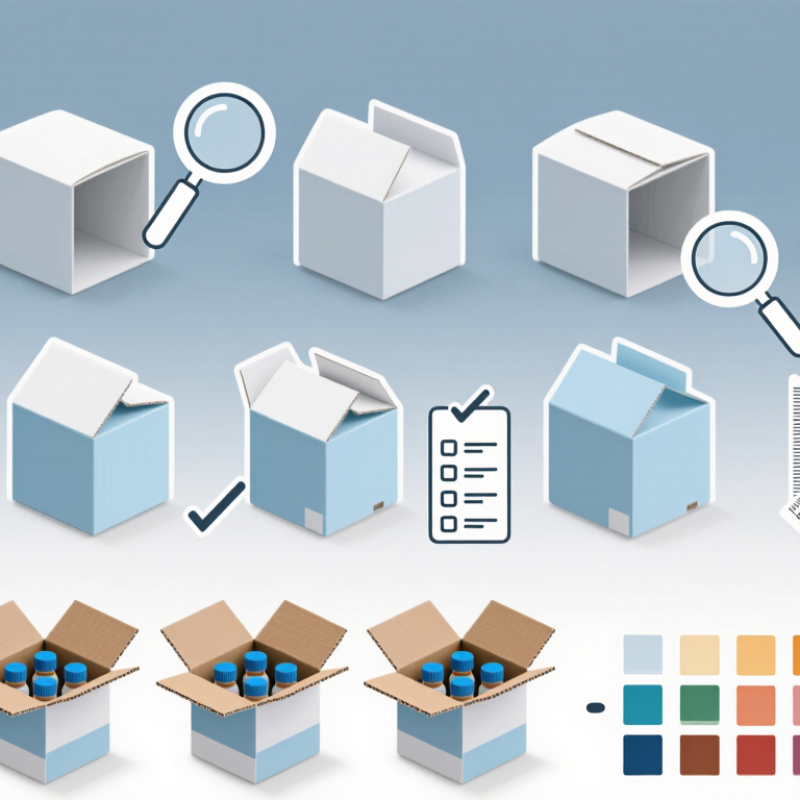
China Best Custom Sleep Supplement Folding Cartons Supplier

What Are Custom Folding Cartons for Sleep Supplements?

Custom folding cartons for sleep supplements are paperboard packages made to fit products such as bottles, sachets, or blister cards. Their dimensions can be tailored to the container, helping reduce movement during shipping. A snug fit matters. It can also make the product easier to display and store.

Cartons may use different board weights, coatings, and opening styles. A tuck-end design is common, while an insert can help hold a small bottle upright. Matte finishes create a soft, low-glare surface; gloss coatings are easier to wipe clean. Neither choice is automatically better. The right option depends on handling, shelf conditions, and budget. Clear panels can show the container, but they may reduce the printable area and need careful placement.

Good packaging starts with accurate measurements and practical testing. Check the bottle’s height, cap width, and label position before approving a dieline. Then test a physical sample for fit, opening, and transport. Small details can cause trouble. A carton that looks precise on screen may still crease poorly or feel loose in the hand. Sleep supplements also need clear, readable product information, so artwork should leave enough space for required directions and ingredient details. Packaging cannot prevent every shipping impact, and extra material is not always the best fix. A few rounds of sampling can reveal what needs adjustment.

How Are Carton Materials and Structures Selected?

Selecting carton materials starts with the product’s actual packaging system. A folding carton usually surrounds a bottle, pouch, or blister pack; it is not automatically a moisture or oxygen barrier. Match board grade and thickness to pack weight, carton dimensions, and distribution conditions. A narrow carton may need a locking bottom, while a heavier bottle can benefit from a reinforced base. Small details matter.

The U.S. EPA’s 2018 Advancing Sustainable Materials Management report recorded a 68.2% recycling rate for paper and paperboard. This broad category figure is not specific to supplement cartons, but it highlights why fiber choice and easy separation deserve consideration. Uncoated paperboard can simplify recycling, while coatings or laminated finishes may complicate recovery. Protection still comes first. For retail display, select a surface that prints clearly without adding unnecessary layers; for shipping, check whether corners crush or panels bow. Test filled cartons on the packing line and during transit simulation, not only as flat samples. I have seen a visually sturdy mock-up flex once packed. That is an imperfect but useful reminder: material specifications need real-world verification.

How Are Carton Materials and Structures Selected?

Indicative basis-weight ranges for common folding-carton board grades (g/m²). The appropriate grade depends on carton size, product weight, protection needs, print requirements, and converting performance.

Ranges are indicative rather than universal; specifications vary by mill and grade. Basis weight alone does not determine carton strength—caliper, stiffness, carton dimensions, and folding performance also matter.

Which Printing and Finishing Options Are Available?

For custom sleep supplement folding cartons, printing choices should support clear product information and a calm visual style. Offset printing suits larger runs and consistent color matching, while digital printing can be practical for smaller batches or design trials. CMYK handles detailed artwork; a spot color can help keep a key shade consistent across panels. Check a physical proof under ordinary store lighting. Colors on screen can look different.

Finishes change both appearance and handling. Matte coating reduces glare and gives the carton a restrained look, while gloss can make selected graphics stand out. Soft-touch lamination feels smooth, but it may show marks during packing. Spot UV, foil stamping, embossing, and debossing add focused detail. Use them sparingly. Too many effects can compete with small text, so review the carton at actual size before approval.

Tips: Ask for samples with the intended paperboard and finish, not just a digital mockup. Check folds, glue areas, and scuffing after handling. A common oversight is choosing a striking finish before checking whether required product details remain easy to read; revise the layout if they do not.

China Best Custom Sleep Supplement Folding Cartons Supplier - Which Printing and Finishing Options Are Available?

Option What It Does Common Uses for Sleep Supplement Cartons Planning Considerations
Offset lithographic printing Transfers ink from printing plates to the carton board; commonly used for detailed graphics and consistent color across a production run. Full-color branding, product information, illustrations, and larger production quantities. Usually requires plate setup. Confirm the artwork, color specifications, and minimum order requirements with the printer.
Digital printing Prints directly from digital artwork without conventional printing plates. Short runs, prototypes, market tests, or versions with changing copy. Availability, board compatibility, color matching, and unit cost depend on the equipment and order size.
Flexographic printing Uses flexible relief plates to apply ink to a substrate. Some carton production workflows, particularly when the selected material and production setup are suitable. Ask the supplier to confirm suitability for the chosen folding-carton board, artwork detail, and required print quality.
Water-based or aqueous coating Adds a clear protective coating that can provide a gloss, satin, or matte appearance. Everyday carton protection and adjustment of the printed surface appearance. Coating type and finish should be checked for compatibility with later processes such as gluing or foil stamping.
Gloss or matte lamination Applies a thin plastic film to the printed surface for a consistent finish and added surface protection. Gloss for a brighter appearance; matte for reduced shine and a subdued look. Film type affects appearance and recyclability. Confirm local recycling requirements and finishing compatibility.
Spot UV coating Applies a glossy UV-cured coating to selected areas of the design. Highlighting a logo, product name, or graphic against a matte or uncoated background. Requires a separate finishing setup and careful alignment with the printed artwork.
Foil stamping Uses heat and pressure to transfer metallic or colored foil to selected areas. Accents on product names, decorative details, or other prominent design elements. Fine details and small lettering may need adjustment. Check foil color, placement, and compatibility with coatings.
Embossing or debossing Creates a raised or recessed impression in the carton board. Tactile details such as a symbol, pattern, or selected text. Requires tooling. Board thickness, artwork detail, and proximity to folds can affect the result.
Soft-touch coating or lamination Creates a smooth, low-gloss surface with a soft feel. Premium-style presentation where a tactile finish is part of the packaging design. Confirm the specific material, scuff performance, recyclability, and compatibility with other finishes.
Die-cut windows Cut-outs reveal part of the carton contents; a clear film may be added behind the opening. Showing a product container or adding a visual feature to the pack design. Review product protection, window placement, structural strength, and any applicable packaging requirements.

Available options vary by carton board, artwork, production method, order quantity, and supplier equipment. Request a production sample and confirm material, finish, folding, and gluing compatibility before approving a final order.

What Standards Apply to Sleep Supplement Packaging?

Sleep supplement cartons have no separate federal “sleep packaging” standard. In the United States, dietary supplement labels must follow FDA rules, including 21 CFR 101.36. Manufacturers must also control packaging and labeling under 21 CFR Part 111. That includes written specifications and checks that packaging is suitable for its intended use. A folding carton should not hide required information or make unsubstantiated health claims.

The Council for Responsible Nutrition’s 2024 Consumer Survey found that 74% of U.S. adults use supplements, while 55% use them regularly. Clear, readable packaging matters to a broad audience. Use legible type for the product identity, Supplement Facts, directions, warnings, and lot or expiry details where applicable. Keep the carton’s claims consistent with the product label. Small print can look tidy on screen, yet become difficult to read on a shelf.

For a carton surrounding a sealed bottle, the bottle usually provides the primary product barrier; the carton adds protection and carries information. Specify board strength, fit, print quality, and resistance to scuffing. ASTM D4169 provides a framework for evaluating shipping-unit performance during distribution. Test the packed product, not just an empty carton. One detail is easy to overlook: a strong carton cannot compensate for a poor closure or unsuitable inner packaging. Supplier checks and documented inspections help catch those gaps.

How Can Buyers Evaluate Chinese Carton Suppliers?

Buyers evaluating Chinese folding-carton suppliers should look beyond polished catalogs. Ask for a production sample made with the proposed board, coating, and print process. Check whether carton dimensions remain consistent, glue seams hold, and small text stays legible after handling. Request documented quality checks, material specifications, and batch traceability. A certificate alone is not proof; verify its scope and validity.

Smithers’ The Future of Global Packaging to 2028 forecasts the market will reach about $1.3 trillion by 2028.

That scale makes measurable controls more useful than broad promises. Ask suppliers how they manage color variation, scuff resistance, folding accuracy, and inspection records. For sleep-supplement cartons, confirm that the selected material and finish suit the product’s storage conditions, then review applicable destination-market packaging requirements. Compare quotes on the same board grade, dimensions, printing coverage, and order quantity. Otherwise, a cheaper quote may simply describe a different carton. Small details matter. A factory visit or live production review can reveal workflow gaps, but it cannot replace a documented sample approval. I would still leave room for improvement: even a careful audit captures only one moment in production.

FAQS

What are custom folding cartons for sleep supplements?

They are paperboard packages sized for bottles, sachets, or blister cards. A snug fit can limit movement during shipping.

How should carton dimensions be checked?

Measure the bottle height, cap width, and label position before approving the dieline. Then test a physical sample. Screens can mislead.

Which carton styles are commonly used?

Tuck-end cartons are common. An insert can help keep a small bottle upright, though it adds material and may not be needed.

Which finish should I choose?

Matte reduces glare, while gloss is easier to wipe clean. Neither is always better. Consider handling and shelf conditions.

What printing method suits different order sizes?

Offset printing suits larger runs and consistent color matching. Digital printing can work well for smaller batches or design trials.

How can printed colors be checked?

Review a physical proof under ordinary store lighting. Screen colors can differ. That is easy to overlook.

Do special finishes improve a carton?

Foil, embossing, debossing, and spot UV add focused detail. Use them sparingly. Small text can lose clarity.

What should be checked before approval?

Check the fit, folds, glue areas, opening, and scuffing after handling. Confirm directions and ingredient details remain readable. One sample may not reveal every shipping issue.

Conclusion

Custom Sleep Supplement Folding Cartons are designed to protect sleep-support products while presenting clear, organized information on the shelf. Choosing the right carton begins with the product’s size, weight, storage needs, and intended distribution conditions. Paperboard grade, carton structure, inserts, and closure style can be selected to balance protection, appearance, ease of use, and material efficiency. Printing and finishing options may include color printing, matte or gloss coatings, and selective details, depending on the design and budget.

Packaging should support accurate product identification and provide space for required directions, ingredient information, warnings, and other applicable labeling. Buyers evaluating Chinese carton suppliers can compare material samples, print consistency, structural quality, production capacity, lead times, communication, and quality-control procedures. Clear specifications and pre-production samples help confirm that the finished cartons meet expectations before a larger order is placed.

Ethan Carter

Ethan Carter

Ethan Carter is a dedicated marketing professional with a strong understanding of product strategy, customer needs, and digital communication. As a key member of our team, he combines market insight with practical product knowledge to create clear, useful, and engaging content for our professional......