Choosing a China top manufacturer for Custom Coffee Bean Packaging Boxes requires more than comparing prices. Coffee packaging must protect aroma, resist moisture, and present a trustworthy brand image.
The International Coffee Organization reported global coffee consumption at approximately 177 million 60-kilogram bags in 2023/24. That volume creates strong demand for reliable packaging across roasters, retailers, and online brands. Smithers’ The Future of Sustainable Packaging to 2028 also highlights recyclable materials, lightweight structures, and reduced packaging waste as major industry priorities. These findings make packaging design a commercial decision, not merely a printing task.
A capable Chinese supplier should understand kraft paper, rigid board, foil laminates, one-way degassing valves, and food-contact requirements. It should also provide material specifications, color proofs, production samples, and quality inspection records. Small details matter. A weak adhesive can split a side seam. A poor valve can affect freshness. A loose insert may damage the box during shipping.
The best Custom Coffee Bean Packaging Boxes should match the coffee’s positioning and supply chain. A specialty roaster may need textured paper, magnetic closures, and precise foil stamping. A high-volume brand may prioritize flat shipping, efficient assembly, and stable unit costs. Drop testing and moisture evaluation should support these choices.
No manufacturer is perfect. Samples can look better than mass production, and sustainability claims require careful verification. Buyers should request test reports, factory evidence, and clear tolerances before signing an order. This guide examines China’s leading suppliers through craftsmanship, customization, quality control, communication, and responsible production practices.
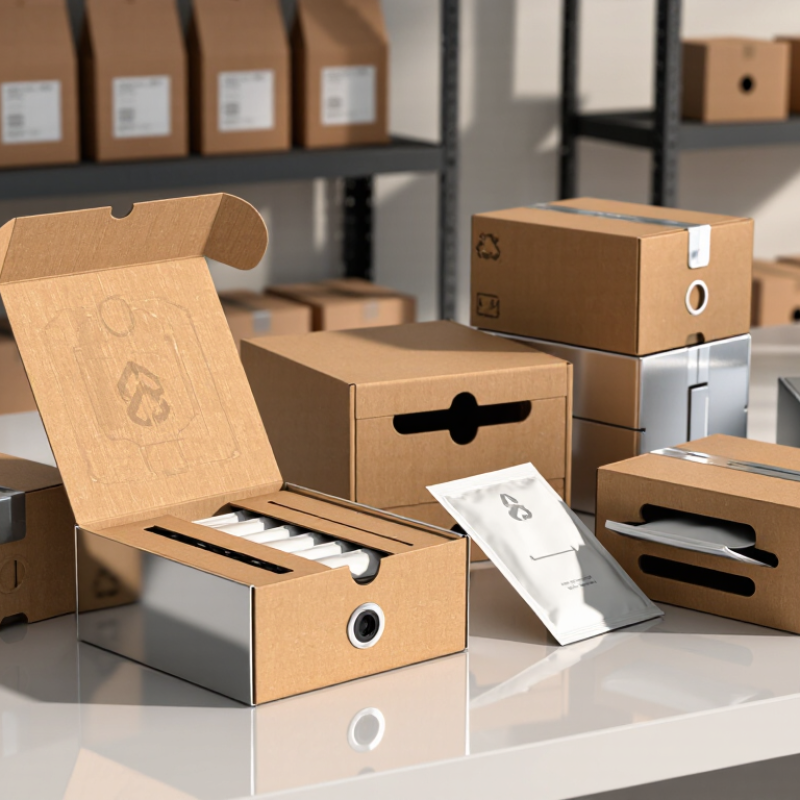
A top custom coffee bean packaging box manufacturer in China should offer more than attractive printing. Practical experience matters. The manufacturer should understand roasted coffee, oxygen exposure, moisture, light, and aroma loss. It should recommend suitable board thickness, inner barriers, valve placement, and box structures. A rigid box may protect premium beans, while a folding carton can reduce shipping volume. The right choice depends on the product and sales channel.
Technical knowledge appears in testing and production control. Ask for material specifications, food-contact documentation, color proofs, and sample approval records. Reliable factories inspect paper density, glue strength, folding accuracy, and surface finishing. They should also test drop resistance and stacking performance. Small details matter. A weak corner can damage dozens of boxes during delivery.
Communication is another defining quality. A dependable manufacturer confirms artwork dimensions, tolerances, packing methods, and lead times in writing. It should provide traceable production updates, not vague promises. Factory visits, clear inspection procedures, and retained samples can support accountability. No factory gets every trial perfect. That weakness matters. Strong manufacturers admit errors, explain their causes, and adjust the process before mass production. They also question unnecessary finishes, oversized structures, and wasteful materials instead of simply increasing the price.
Designing custom coffee bean packaging boxes begins with the product, not decoration. Roasting level, bean weight, and shipping distance shape the structure. A 250-gram pouch needs different support from a larger retail pack. The box may use a folding carton, rigid board, or a recyclable paper structure. Its inner bag must protect beans from oxygen, moisture, light, and odor transfer. The design team checks dimensions around the filled pouch, leaving enough space without creating waste.
Color, typography, and surface finishes follow the package purpose. Food-safe inks and suitable coatings help maintain reliable contact standards. A small window can show the pouch, but it may reduce light protection. That trade-off deserves careful review.
Samples are printed before mass production. Designers inspect color accuracy, folding lines, glue areas, and shelf appearance under different lighting.
Production normally includes artwork preflight, plate or digital setup, board printing, die-cutting, creasing, folding, and packing. Operators measure dimensions during each batch. They also test compression, edge strength, and opening performance.
A box that looks attractive but tears near the handle is not successful. We have seen prototypes pass visual checks and fail during delivery testing. That is why drop tests and humidity checks matter.
Small adjustments, such as stronger creases or a wider glue flap, can prevent repeated defects. Sometimes the first structure is over-engineered. It works, but wastes material and raises shipping costs. Careful sampling helps balance protection, appearance, production speed, and responsible material use.
Coffee bean packaging needs more than an attractive box. Freshly roasted beans release carbon dioxide and lose quality when exposed to oxygen, moisture, heat, or light. A practical structure uses a rigid paperboard box with an inner high-barrier pouch. Kraft paperboard gives a natural, tactile appearance. White SBS or folding boxboard offers sharper colors and cleaner product details. Recycled content can support sustainability goals, but its surface may require better coating control.
Printing depends on order quantity and artwork complexity. Offset printing suits larger runs and produces precise colors, fine text, and smooth images. Digital printing works well for smaller batches or several roast varieties. Flexographic printing can be efficient for repeated designs and selected substrates. Water-based inks are often preferred for a softer environmental profile, while aqueous coating improves scuff resistance. Metallic foil, embossing, and spot gloss add shelf impact, but excessive decoration can weaken recyclability.
Packaging tests should guide the final specification. Check color rub, box compression, pouch seal strength, and barrier performance after filling. A one-way degassing valve may be necessary for freshly roasted beans. The valve must match the roast volume and pouch design. Matte finishes look premium, yet they can mark more easily than expected. I have seen beautiful samples fail during transport because the board was too light. That mistake deserves review. Food-contact requirements, recycling claims, and ink suitability should be verified with documented supplier testing before production.
Buyers evaluating Chinese coffee packaging box manufacturers should examine evidence, not polished catalog images. Request physical samples with matching board thickness, coating, printing, and structural design. Check whether corners stay sharp after handling and whether boxes resist moisture from warehouse conditions. A useful test is simple: stack filled boxes for several days, then inspect crushing, odor, and color transfer. Ask who performed the test and when.
Professional suppliers should explain paper grades, recycled content, ink types, adhesives, and intended packaging use. Coffee boxes may not touch the beans directly, but nearby materials still require careful assessment. Request current material declarations, test reports, and export documents relevant to your destination market. Do not accept vague claims such as “eco-friendly” without measurable details. Certificates can expire. Verify them.
Evaluate factory capability through a video call or an independent production audit. Look for cutting, folding, printing, quality-control, and packing areas. Ask for the approved sample, inspection checkpoints, defect tolerance, and replacement process. Compare minimum order quantities, tooling fees, lead times, carton dimensions, and landed costs. Communication matters too. A supplier that answers clearly is easier to manage during a delayed shipment. Still, promises are not performance. Place a small trial order before scaling. One judgment can be wrong: attractive packaging may hide weak consistency.
Recommended buyer evaluation weighting for custom coffee bean packaging projects
Buyers should give the greatest weight to food-contact safety and quality control, followed by print and sample accuracy. MOQ flexibility, production lead time, and export capability are also important when comparing custom coffee packaging suppliers. This neutral scoring framework can be adapted to project-specific requirements.
Ordering custom coffee bean packaging boxes starts with a clear specification sheet. Share box dimensions, paperboard grade, printing colors, finish, and estimated quantity. A manufacturer should confirm the dieline before production. Physical samples help reveal weak folds, tight lids, or inaccurate colors. Digital approval alone can miss small problems. Lead time usually depends on materials, printing complexity, and order volume. Keep extra time for revisions.
Quality control should continue beyond the first sample. Inspectors can check board thickness, surface scratches, print alignment, glue strength, and box dimensions. For coffee packaging, the box must protect inner bags from crushing and moisture exposure. Random carton checks are useful, but they are not perfect. A rushed inspection may overlook repeated defects. We record photos, measurements, and batch details before shipment. A minor color shift may seem harmless, yet it can weaken shelf consistency.
Export preparation requires accurate commercial invoices, packing lists, shipping marks, and transport documents. The correct HS classification and country-of-origin information should be verified with the buyer’s customs agent. Packaging must also meet destination recycling and labeling requirements. Cartons need strong corner protection and readable marks. Before loading, confirm carton counts, gross weight, container space, and seal numbers. Export work can fail through one wrong digit. Careful cross-checking matters.
It should understand oxygen, moisture, light, aroma loss, and roasted coffee handling. Practical experience matters.
The choice depends on bean weight, pouch size, shipping distance, and sales channel. Folding cartons reduce volume. Rigid boxes offer stronger protection.
Request material specifications, food-contact documents, color proofs, and sample approval records. Keep the paperwork traceable.
Inspect paper density, glue strength, folding accuracy, surface finishing, and dimensions. Test stacking and drop resistance too.
The box must fit the filled pouch without excessive space. The inner bag helps protect beans from oxygen, moisture, light, and odors.
Production includes artwork checks, printing, die-cutting, creasing, folding, and packing. Operators measure dimensions during every batch.
Weak corners, narrow glue flaps, and poor creases can cause tearing. A box may look excellent, then fail delivery tests.
Review finishes, windows, board thickness, and structure carefully. A window improves visibility but may reduce light protection.
It should explain the cause and adjust the process before mass production. No design is perfect.
Confirm artwork dimensions, tolerances, packing methods, and lead times in writing. Clear updates are better than vague promises.
Choosing a top Chinese manufacturer of Custom Coffee Bean Packaging Boxes requires more than comparing prices. A reliable supplier should combine professional structural design, stable production capacity, food-safe materials, accurate color printing, and strong quality-control procedures. Packaging can be developed according to coffee type, brand positioning, filling method, and shipping requirements, using options such as kraft paper, coated paper, rigid board, matte or glossy finishes, and functional features that help protect freshness and improve presentation.
Buyers should evaluate a manufacturer’s experience, material certifications, sample quality, communication, production lead time, and ability to meet customized specifications. The usual process includes design confirmation, prototype approval, material and color checks, mass production, inspection, and export preparation. Clear agreements on dimensions, artwork, tolerances, packaging quantities, delivery terms, and inspection standards can reduce risks and ensure consistent results. With careful supplier assessment and documented quality control, businesses can obtain attractive, durable, and practical coffee packaging suited to both retail display and international transportation.