0%

Choosing the right packaging can shape how customers judge an apparel brand before touching the garment. Custom Apparel Clothing Packaging Boxes offer more than attractive presentation. They protect shirts, jackets, dresses, and accessories during storage, shipping, and delivery.

In practical packaging projects, box size often affects product condition. A fitted box can reduce folding damage and unnecessary movement. Strong corrugated board helps protect garments from pressure, moisture, and rough handling. However, thicker material is not always better. It may increase shipping costs and create avoidable waste. Careful testing matters more than appearance alone.

A well-designed package can also communicate brand values. A clean logo, consistent colors, and readable product information create a more dependable customer experience. Recyclable paper, water-based inks, and minimal plastic can support responsible packaging goals. These choices still require verification from suppliers and relevant certification bodies.

Small details matter.

A magnetic closure may feel premium, but it can complicate recycling. A printed sleeve may improve shelf appeal, yet it can become damaged during delivery. Brands should compare real samples, review production tolerances, and test boxes under realistic shipping conditions. Customer feedback can reveal problems that design teams miss.

Custom packaging is not automatically successful. Poor sizing, weak construction, or excessive decoration can reduce its value. The strongest solution balances protection, cost, sustainability, branding, and usability. This article explores why businesses choose Custom Apparel Clothing Packaging Boxes and how informed decisions can improve both product presentation and customer trust.
Why Choose Custom Apparel Clothing Packaging Boxes?

What Are Custom Apparel Clothing Packaging Boxes?

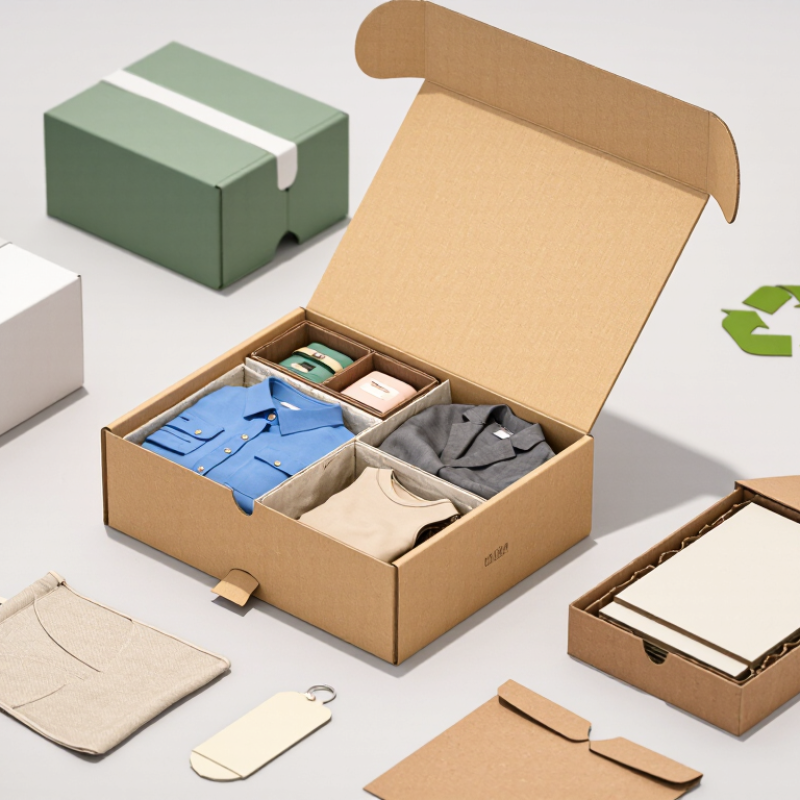
Custom apparel clothing packaging boxes are made-to-measure cartons designed for garments, accessories, and textile products. They usually combine a precise box size, suitable board strength, protective inserts, and printed information. Some use folding structures, pull-out trays, magnetic closures, or recyclable paper wraps. The purpose is practical: keep shirts flat, prevent creasing, and create a controlled opening experience.

The global parcel market shows why this packaging matters. Pitney Bowes reported 161.8 billion parcels worldwide in 2022. Many apparel orders travel through several warehouses before reaching a customer. A loose box can waste space, increase movement, and damage folded clothing. Custom dimensions reduce empty volume, although the result depends on accurate product measurements. Small errors can still cause crushed corners.

Smithers’ The Future of Global Packaging to 2028 projects the packaging market will exceed 1.2 trillion dollars by 2028. This growth increases interest in efficient, lower-impact packaging formats. A well-designed apparel box may use lighter paperboard, water-based printing, and recyclable components. Yet “eco-friendly” should not be treated as automatic. Extra coatings, magnets, and decorative layers can complicate recycling. The definition needs honesty. A custom box is not simply a prettier container; it is a packaging system matched to garment weight, folding method, shipping conditions, and customer handling. Its success should be checked through drop testing, fit trials, and feedback from real packing teams.

How Custom Packaging Protects Apparel During Storage and Delivery

Why Choose Custom Apparel Clothing Packaging Boxes?

Apparel can be folded neatly and still arrive creased, damp, or scuffed. During storage, stacked cartons may shift, while repeated handling can rub fabric against rough surfaces. A box made to fit the garment helps limit excess movement and keeps folded edges in place.

The right dimensions matter.

A shirt should sit flat without being squeezed, and a heavier sweater needs enough room to avoid compressed folds. A snug inner fit, smooth surfaces, and secure closing flaps can reduce snagging and shifting.

Less room to slide.

For longer storage, clean, dry packing conditions matter too; a carton alone cannot control humidity.

Delivery brings different stresses, including bumps and pressure from other parcels. Sturdy board and reinforced corners can help the box hold its shape, while tissue or a simple inner sleeve adds another barrier against abrasion.

Small details matter.

Still, packaging is not magic: an oversized box may crush at the corners, and an overly tight one can distort the garment. Testing a packed sample through ordinary handling can reveal weak points before the full order is prepared.

Which Branding Benefits Come From Personalized Clothing Boxes?

Why Choose Custom Apparel Clothing Packaging Boxes?

Personalized clothing boxes turn a delivery into a branded experience. Customers notice the box before touching the garment. A consistent logo, color palette, and typography can make a small clothing business appear more established. It also helps customers recognize future orders quickly. That moment matters.

Custom packaging can strengthen perceived quality through practical details. A rigid box protects folded shirts from crushing during shipping. A printed interior adds surprise when the lid opens. Tissue paper, size labels, and a simple care card can create a more organized presentation. These details support a professional image without relying on exaggerated claims. In my packaging experience, clear branding works better than crowded artwork.

Custom boxes may also improve customer retention and organic visibility. Customers often photograph attractive packaging for social media or share it with friends. A memorable unboxing experience gives them a reason to remember the clothing seller. However, personalization is not automatically successful. Too much ink, excessive inserts, or difficult-to-recycle materials can weaken the brand message. Customers increasingly judge whether packaging feels responsible. A practical box with accurate colors and strong construction often performs better than an expensive design. Testing one box size, checking delivery damage, and asking customers for feedback can reveal problems early. Some designs still look better on screen than in real life.

How to Choose Materials, Sizes, and Designs for Apparel Packaging

Why Choose Custom Apparel Clothing Packaging Boxes?

How to Choose Materials, Sizes, and Designs for Apparel Packaging

Custom apparel boxes should protect fabric without adding empty volume. Start with the material. Folding paperboard suits shirts and lightweight knitwear, while corrugated board handles heavier garments or longer shipping routes. Recycled fiber can reduce virgin material use, but strength and moisture resistance still need testing. Ask for fiber certification and ink specifications, not vague “eco-friendly” claims. McKinsey’s 2020 packaging research found that 60–70% of consumers were willing to pay more for sustainable packaging. Interest is real, but damaged clothing creates greater waste.

Size selection should follow the folded garment, not the warehouse shelf. Measure length, width, and compressed height after realistic folding. Allow enough clearance for tissue, labels, and easy removal. A box that is 20% larger can waste board, increase shipping volume, and let garments slide during delivery. Test several sizes with actual clothing, including denim, wool, and delicate items. It sounds obvious. Not always. Test samples filled.

Design should balance recognition, assembly, and recovery. Use a secure tuck or locking structure, restrained print coverage, and water-based inks where performance allows. Avoid magnets, foam, and mixed-material windows unless they solve a real problem. The Sustainable Packaging Coalition emphasizes designing packaging for recovery within local systems, not merely labeling it recyclable. Run compression, drop, and moisture tests using recognized distribution protocols such as ISTA procedures. A premium finish may photograph well, yet it can complicate recycling. That trade-off deserves a second look.

Folding cartons suit many lightweight apparel items, while corrugated board offers more cushioning for shipping. These are indicative material-thickness ranges, not box-strength ratings; specifications vary by supplier. Choose box dimensions around the garment’s folded size and the protection required.

What Factors Influence the Cost and Sustainability of Custom Boxes?

Custom apparel packaging costs begin with structure. Box size, board grade, print coverage, inserts, and order volume all matter.

A rigid box with magnetic closure uses more material and labor than a folding carton. Small production runs also carry higher setup costs per unit.

Die preparation and color matching can become expensive surprises.

Sustainability changes the calculation. The U.S. Environmental Protection Agency reported that containers and packaging generated 82.2 million tons of municipal solid waste in 2018. Only about 53.9% was recycled.

This suggests that material selection and disposal instructions deserve serious attention. Recycled paperboard can reduce demand for virgin fiber, while water-based coatings may improve recyclability. Yet coatings, laminations, and mixed inserts can complicate sorting. A lighter box is not automatically greener.

The World Bank’s What a Waste 2.0 report estimated 2.01 billion tons of municipal waste worldwide in 2016. Packaging design therefore needs practical restraint.

Measure the garment carefully.

Reduce empty space.

Choose one easily separable material where possible.

FSC-certified paper can support responsible forestry claims, but certification does not solve excessive packaging. That point is easy to miss.

Supplier distance, energy use, minimum order quantities, and rejected samples also affect the real footprint. Cost comparisons should include shipping volume and waste, not only the factory quotation.

Some sustainability claims remain difficult to verify, because supply-chain data is incomplete. That weakness deserves honest review.

FAQS

Which material works best for apparel packaging?

Folding paperboard suits shirts and lightweight knitwear. Corrugated board offers more protection for heavier garments or longer shipping routes. Test strength and moisture resistance before ordering.

How should I choose the box size?

Measure the garment after realistic folding, including its compressed height. Leave room for tissue and easy removal, but avoid excess space. Test with actual clothing.

Why can an oversized box be a problem?

A box 20% larger can use more board and increase shipping volume. Garments may also slide around inside. A snug fit matters.

What design features help protect garments?

A secure tuck or locking structure can help keep the box closed. Compression, drop, and moisture tests can reveal weak spots. Samples matter.

Are recycled materials always the most sustainable choice?

Recycled paperboard can reduce demand for virgin fiber, but it still needs adequate strength and moisture resistance. A lightweight box is not automatically greener.

Which finishes can make recycling more difficult?

Laminations, coatings, foam, magnets, and mixed-material windows may complicate sorting. Use them only when they serve a clear purpose. This trade-off deserves a second look.

What affects the cost of custom apparel boxes?

Box structure, material grade, print coverage, inserts, and order volume all affect price. Setup, die preparation, and color matching can add costs.

What should I check in supplier sustainability claims?

Ask for fiber certification and ink specifications instead of relying on broad claims. Supplier distance, energy use, rejected samples, and shipping volume also matter. Some data may be incomplete.

Conclusion

Custom Apparel Clothing Packaging Boxes are designed to do more than hold garments: they help keep clothing neat and protected from dust, moisture, creasing, and handling during storage and delivery. A well-fitted box can reduce unnecessary movement while creating a thoughtful opening experience. Personalized colors, graphics, and messaging can also make packaging a consistent part of a business’s visual identity and help customers remember their purchase.

Choosing the right packaging means balancing garment size, box strength, appearance, and budget. Materials should suit the level of protection needed, while dimensions should fit the items without excessive empty space. Design choices can support practical features such as easy assembly and secure closure. Cost and sustainability depend on factors including material type, box size, print complexity, order quantity, and whether recyclable or responsibly sourced options are used. With these considerations in mind, apparel packaging can be both functional and appealing.

Amelia

Amelia

Amelia is a dedicated marketing professional with a strong understanding of the company’s products, services, and customer-focused solutions. With a thoughtful approach to communication and a passion for turning complex information into clear, useful insights, she regularly contributes professional......