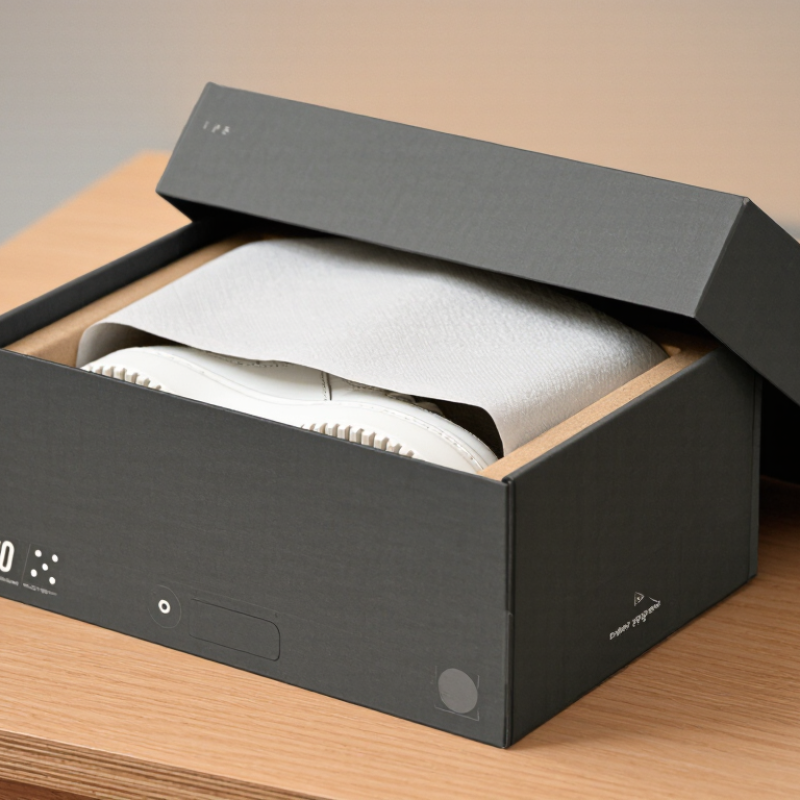
Custom Footwear Shoe Gift Boxes turn an ordinary shoe purchase into a more considered unboxing experience. A sturdy box protects the shoes, while its color, texture, and printed details introduce the brand before the lid opens. Picture a matte-finish box, a neatly folded tissue sheet, and a logo positioned where the customer’s hands naturally rest. Small choices can feel personal. Yet appearance alone is not enough; boxes must also fit the footwear, withstand delivery, and avoid unnecessary material.
The business case is worth examining carefully. PwC’s 2024 Voice of the Consumer Survey reported that respondents were willing to pay an average premium of 9.7% for sustainably produced or sourced goods. This is a broad consumer finding, not proof that shoppers will pay more for a shoe box. Still, it suggests that material choices and clear product presentation can influence how a brand is perceived. Brand expert Marty Neumeier wrote in The Brand Gap, “A brand is not what you say it is. It’s what they say it is.” A well-designed box gives customers something tangible to judge.
Custom packaging is not a cure-all. Oversized boxes, hard-to-recycle finishes, or fragile inserts can undermine the impression they are meant to create. The best design balances protection, cost, visual identity, and practical materials. For footwear brands, Custom Footwear Shoe Gift Boxes can support a memorable presentation while making those trade-offs visible. The details deserve scrutiny.
Why Choose Custom Footwear Shoe Gift Boxes?
What Are Custom Footwear Shoe Gift Boxes?
Custom footwear shoe gift boxes are packaging designed around a particular shoe style, size, and gifting experience. They may use a fitted cardboard base, a separate lid, and tissue paper or an insert to keep shoes steady. The dimensions can be adjusted to reduce excess space, though a box that fits too tightly may crease delicate uppers. Small details matter.
A customized exterior can include colors, patterns, product information, or a simple message. Finishes such as matte coating or textured paper change how the box feels in hand. For practical use, sturdy board helps protect footwear during storage and delivery. The right construction depends on the shoe’s weight, shape, and how the package will be handled. A decorative box is not automatically a protective one.
Tips: Measure the shoes with tissue or inserts in place, then test a sample before ordering a full run. Check that the lid closes smoothly and the shoes do not shift when the box is gently tilted. It is easy to overlook a few millimeters, and that can affect the fit.
Custom footwear gift boxes work best when their structure follows the shoe, not just the artwork. Low-profile flats need shallow inserts, while high-top sneakers benefit from extra height and side protection. Heels need a stable base that prevents the pair from shifting. Fit matters. A snug insert also keeps tissue from crushing delicate straps or polished surfaces during delivery.
Occasion changes the design. A birthday box might use bright sleeves and a handwritten note; wedding gifts often suit soft colors, ribbon, and a clean presentation. For corporate gifts, restrained printing can feel more useful than a crowded pattern. McKinsey’s 2021 personalization research found that 71% of consumers expect personalized interactions. That finding concerns consumer experiences broadly, not shoe packaging specifically, but it supports thoughtful details such as a recipient’s name or a message card. Small detail.
Material and opening style matter, too. A rigid box can make premium footwear feel special, while a corrugated mailer offers practical protection for shipping. The Paper and Packaging Board and Ipsos reported in 2018 that 72% of consumers said packaging design could influence a purchase decision. Still, decorative layers can become wasteful or awkward to store. A design may look clever on screen but feel fussy in hand, so test the box with the actual shoe, tissue, and gift insert before ordering.
A footwear gift box does more than present a pair neatly. Its structure helps limit pressure, movement, and surface scuffs during storage and delivery. A close-fitting base keeps shoes from sliding, while a firm lid helps shield uppers from light stacking pressure.
A snug fit matters.
Inside, shaped inserts or folded tissue can support the toe and heel without crushing delicate materials. For leather or suede, a clean, dry interior is important; packaging should not trap dampness against the shoe.
Small details matter.
A box that looks sturdy may still have weak corners or a loose lid, so checking its fit with the actual footwear is worthwhile.
Transit needs another layer of protection. A decorative gift box alone may dent when parcels are stacked or handled roughly. Placing it inside a properly sized corrugated shipper, with cushioning around the sides, helps absorb knocks and reduce shifting. Avoid excessive empty space, which lets the box gain momentum in transit.
In practical sampling, a long toe or raised heel can still move more than expected, so a simple shake test can reveal problems before production. No package prevents every impact, but thoughtful sizing, supportive inserts, and a protective outer carton make damage less likely.
A custom footwear shoe gift box shapes the experience before the shoes are even seen. A close-fitting lid, sturdy corners, and tissue paper that does not snag on laces make the opening feel considered. Personal touches, such as a recipient’s initials or a short message inside the lid, can turn ordinary packaging into part of the gift. Keep the text readable. Tiny lettering may look elegant on screen but disappear on textured paper.
Packaging also helps people recognize a business over time. Consistent colors, type styles, and small graphic details can make a box easier to remember when it appears in a store or in a customer’s photos. A simple design often works better than filling every surface with logos. That feels thoughtful. Choose materials that protect the shoes during handling, and check that the print remains clear under indoor lighting. A useful test is to assemble a sample and inspect it beside the product. Personalization is not magic, though. Extra finishes can raise costs, and a beautiful box cannot make up for poor fit or weak construction. Sometimes the inside needs more attention than the outside.
| Evaluation Dimension | Standard Shoe Box | Custom Shoe Gift Box | Gift Presentation and Recognition Value |
|---|---|---|---|
| Exterior appearance | Usually uses a conventional shape, color, and printed label. | Can use selected colors, finishes, graphics, and a coordinated design. | A tailored exterior can make the package feel more considered before it is opened. |
| Personal message | May have limited space for a recipient-specific message. | Can include a greeting, occasion message, or personalized insert. | A message connects the packaging to the recipient and the occasion. |
| Unboxing experience | Generally prioritizes storage and straightforward access to the shoes. | Can include a fitted insert, tissue paper, ribbon, or a distinctive opening style. | Layered presentation can make opening the gift feel more deliberate; the contents should remain easy to remove. |
| Fit and protection | Available sizes may suit common shoe dimensions but may not match every product configuration. | Dimensions and internal supports can be selected to suit the footwear and included accessories. | A suitable fit helps limit movement in the box. Packaging should be tested with the actual product before production. |
| Visual consistency | Appearance may vary across product lines or occasions. | Colors, typography, and design elements can be coordinated across related packaging. | Repeated visual cues can help customers recognize a business’s packaging, although recognition is not guaranteed. |
| Material and finish options | Typically uses a standard board and finish selected for general packaging needs. | May offer choices such as coated paper, textured paper, foil details, or a matte finish, subject to supplier capabilities. | Material and finish influence the look and feel; suitability depends on budget, production method, and handling requirements. |
| Reuse and storage | Can be reused for shoe storage if the box remains intact. | A sturdy, well-sized box may also be kept for storage or repurposed after gifting. | Useful packaging can extend the time a recipient keeps the box, but reuse depends on its construction and the recipient’s needs. |
| Best suited for | Routine packing, basic storage, and situations where a standard presentation is sufficient. | Gift launches, special occasions, curated sets, and presentation-focused orders. | Custom packaging is most useful when the added design and production choices support the intended gifting experience. |
Note: Customization options, durability, costs, and production methods vary by packaging supplier. Request a sample and check the box with the actual footwear before placing a production order.
A custom footwear shoe gift box needs to protect the shoes while making the unboxing feel considered. Material thickness is only part of that job. A sturdy paperboard box can resist scuffs and keep its shape, while corrugated board offers extra cushioning for heavier footwear or longer shipping journeys. The right choice depends on the shoe’s weight, the box dimensions, and how it will be handled. Test a filled sample. A short drop test and a few days of stacking can reveal weak corners or a lid that slips. Small details matter.
Sustainability also depends on more than the word “recycled.” Recycled paperboard may reduce demand for virgin fiber, but its strength and finish should still suit the box’s purpose. A thin coating can help resist moisture, yet it may make the material harder to recycle in some local systems. Uncoated paper and water-based inks are worth considering, though neither automatically makes a package sustainable. There is no perfect material. I would question any design that uses extra layers only for appearance. A snug insert made from paper-based material can hold shoes in place without adding plastic, provided it protects them during transit. Check supplier specifications and local recycling guidance, then compare the box’s durability with its material use.
They are boxes sized and designed for specific shoes and gifting occasions. They may include a fitted base, lid, tissue paper, or an insert. Small details matter.
Measure the shoes with tissue or inserts in place. Leave enough room to avoid creasing delicate uppers, but not so much that shoes slide around. Test a sample.
Yes. Flats usually need a shallow insert, while high-top sneakers need extra height. Heels benefit from a stable base. Fit matters.
Sturdy board can help protect shoes during storage and handling. A corrugated mailer may suit shipping. Decorative paper alone does not guarantee protection.
A birthday design might use a bright sleeve and a short note. Wedding gifts may suit soft colors and ribbon. Corporate gifts often look cleaner with restrained printing.
Options include initials, a recipient’s name, or a message inside the lid. Keep lettering readable. Tiny text can disappear on textured paper.
A close-fitting lid, sturdy corners, and tissue that does not snag on laces improve the opening experience. That feels considered. Still, presentation cannot fix poor fit.
Assemble a sample with the actual shoes, tissue, and gift insert. Tilt it gently and check whether the shoes shift. A few millimeters can matter.
Custom Footwear Shoe Gift Boxes are specially designed packages that present and protect shoes while reflecting the purpose of a gift or the identity of a business. Their dimensions and layouts can be adapted to different footwear styles, from lightweight flats to larger shoes, and to occasions such as birthdays, celebrations, or seasonal gifting. Thoughtful design choices help create a suitable fit without making the box difficult to open or store.
A well-constructed box can help limit movement and reduce scuffs or pressure during storage and transit. Personalized colors, patterns, messages, and finishing details can make the unboxing experience feel more memorable and help packaging stand out. Material selection also matters: sturdy options support durability, while responsibly chosen or recyclable materials can reduce unnecessary waste. Together, practical structure, tailored design, and considered materials make custom shoe boxes both useful packaging and an attractive part of the gift.