High-Demand Custom Chocolate & Food Packaging Solutions
Explore our industrial-grade, fully customizable rigid and folding packaging structures manufactured for international confectionery exporters, luxury chocolatiers, and retail supply chains.

Navigating the Ecosystem of Chinese Chocolate Packaging Manufacturers
A comprehensive examination of supply chain capabilities, material innovation, and procurement frameworks for global B2B buyers.
The global luxury chocolate and gourmet confectionery market is experiencing a structural shift driven by elevated consumer expectations for sensory unboxing experiences, stringent food safety mandates, and sustainable packaging packaging requirements. As the primary manufacturing hub for complex paperboard packaging, China represents over 45% of the world’s production capacity for rigid gift boxes, custom folding cartons, and specialized food-grade packaging. However, procuring high-end chocolate boxes from China requires navigating a dense matrix of factory specializations, technical capabilities, and regulatory compliance protocols.
Top-tier Chinese packaging manufacturers have evolved beyond basic OEM processing into fully integrated ODM engineering partners. Today’s premier factories operate cleanroom production environments (Class 100,000 standard), employ fully automated rigid box wrapping lines from European suppliers like Emmeci, and maintain dedicated testing labs equipped with spectrophotometers, gas chromatography devices for ink migration testing, and automated edge-crush testers (ECT). Understanding how to evaluate these technical capabilities is crucial for procurement directors, brand owners, and supply chain managers who seek consistent quality at scale.
Future Sourcing & Procurement Trends in Chocolate Packaging (2025–2030)
Anticipating structural, regulatory, and environmental evolutions in international confectionery packaging supply chains.
1. Plastic-Free Bio-Barrier Liners
Global regulations banning single-use plastics are forcing a transition from PE/PET laminations to water-based dispersion coatings and bio-wax barrier papers. Leading Chinese mills are mass-producing fully recyclable kraft and virgin paperboards that deliver oil-resistance ratings (Kit Value 8-12) without compromising repulpability.
2. Flat-Pack Collapsible Rigid Boxes
To mitigate volatile sea freight costs and optimize warehousing space, suppliers are re-engineering traditional rigid magnetic boxes into folding, collapsible structures. Utilizing concealed high-energy neodymium magnets and precision-scored adhesive corner flaps, these boxes reduce shipping volume by up to 75% while maintaining a luxury 2.0mm–3.0mm rigid feel upon assembly.
3. Zero-Migration Soy & Water Inks
Food safety compliance (FDA 21 CFR 175.300 and EU 1935/2004) has become a non-negotiable procurement standard. Modern Chinese factories are standardizing on mineral-oil-free (MOAH/MOSH free) vegetable and soy-based printing inks, paired with electron-beam (EB) or water-based protective varnishes that eliminate chemical odor transfer to sensitive cacao butter matrices.
Advanced Product Development Trends in Chocolate Packaging
Combining tactile luxury with structural protection: How modern box designs elevate brand equity.
Structural packaging design serves a dual purpose: protecting delicate artisanal chocolates during shipping while orchestrating an emotional unboxing experience for the end consumer. Innovation in Chinese box engineering focuses on three core structural vectors:
A. Multi-Tiered Modular Rigid Constructions
Modern chocolate presentation boxes are moving away from simple single-layer trays toward multi-story drawer mechanisms, sliding book-style rigid boxes, and double-door opening structures. Incorporating 1.5mm to 3.0mm premium greyboard wrapped in 128gsm-157gsm coated art paper or textured specialty paper, these complex structures utilize ribbon pull-tabs and engineered friction-fit tolerances to ensure smooth tactile interaction.
B. Sustainable & High-Precision Internal Dividers
The insert tray is critical for maintaining individual chocolate integrity. Historically dominated by vacuum-formed PVC/PET trays, the industry is transitioning to custom paper-pulp mold inserts, FSC-certified cardboard matrix grid dividers, and high-density bio-degradable EVA foam. Precision die-cutting ensures each cavity cradles the bonbon or truffle tightly, preventing movement and scuffing during transit.
| Box Structure Type | Core Substrate & Thickness | Recommended Insert Options | Optimal Logistics Application | Target MOQ |
|---|---|---|---|---|
| Magnetic Closure Rigid Box | 1.5mm – 3.0mm Greyboard + 157gsm Art Paper | Paper Pulp / Thermoformed PET / Cardboard Grid | E-commerce Luxury Gift Sets & Boutique Retail | 100 units |
| Lid & Base (2-Piece Rigid) | 2.0mm Rigid Board + Textured Specialty Paper | Food-Grade Molded Fiber / Vacuum Form | Seasonal Bulk Retail (Valentine's, Christmas) | 250 units |
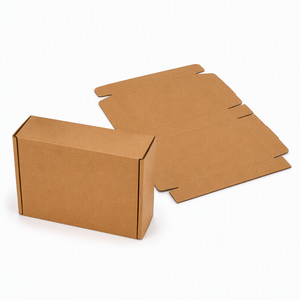
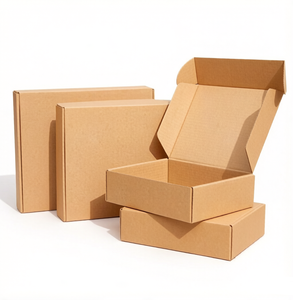
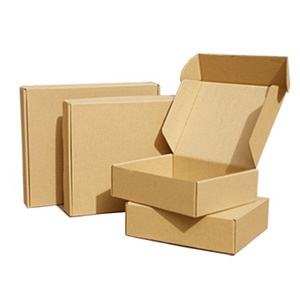
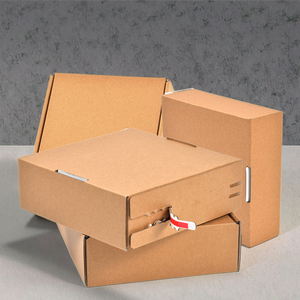
| Foldable Corrugated Mailer | E-Flute / B-Flute Single Wall Corrugated Board | Fitted Folding Cardboard Cushion Insert | Direct-to-Consumer (D2C) Subscription Orders | 250 units |
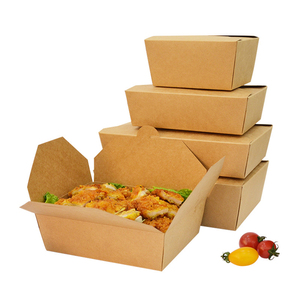
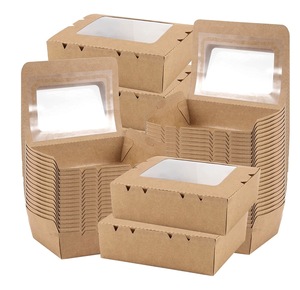
| Folding Paper Carton / Box | 300gsm – 400gsm Virgin Kraft / SBS C1S Board | Simple Cardboard Divider Matrix | High-Volume Supermarket Shelf Packaging | 500 units |
Enterprise OEM/ODM Manufacturing Advantages
Combining decade-long packaging expertise with state-of-the-art production infrastructure to empower your global brand.
In-House Structural & Dieline Design
Our packaging engineers provide complimentary structural design and dieline creation tailored to your exact product dimensions, eliminating alignment errors and reducing pre-press development lead times.
5–7 Day Physical Prototyping
Before launching mass production, we output physical sample prototypes built on production-grade substrates. Test closure magnetic force, print finishes, and insert fitment with complete confidence.
Spectrophotometer Pantone Color Control
Using X-Rite spectrophotometers and automated ink-mixing systems, we record color targets per SKU to guarantee Delta E < 1.5 consistency across repeat mass production batches.
Flexible Low MOQs for Scale-Ups
We support growing brands and seasonal launches with starting MOQs as low as 100 units for rigid boxes and 250 units for mailer boxes, eliminating excessive inventory liabilities.
Comprehensive Surface Finishing Library
From soft-touch tactile matte film and anti-scratch gloss lamination to metallic foil stamping (gold, rose gold, holographic), spot UV, embossing, and debossing, we execute surface embellishments in-house.
End-to-End International Logistics
We handle export compliance, customs documentation, DDP delivery to 50 US states, and direct-to-3PL warehousing drops or Amazon FBA prep centers with full batch tracking.
Frequently Asked Questions for Chocolate Packaging Procurement
Addressing key technical, operational, and commercial questions asked by international purchasing teams.