
Executive Overview: Sourcing Direct from China's Premier Food Packaging Ecosystem
The global food manufacturing, processing, and QSR (Quick Service Restaurant) sectors are undergoing a profound paradigm shift. Driven by stringent sustainability directives such as the European Union’s Packaging and Packaging Waste Regulation (PPWR), shifting consumer expectations for extended shelf-life, and relentless price competition, procurement executives are re-evaluating their supply chain architectures. Sourcing directly from top-tier Chinese food packaging factories represents a strategic lever that combines cost efficiencies, rapid scale production, and cutting-edge material science innovation.
Modern Chinese flexible packaging and container manufacturers have evolved beyond low-cost production models into high-tech engineering hubs. Utilizing state-of-the-art 10-color solventless rotogravure printing presses, tandem extrusion laminators, and automated pouch-converting machinery, advanced suppliers deliver custom barrier films, compostable substrates, and rigid paper containers that strictly comply with United States FDA 21 CFR 177, EU Regulation 10/2011, and BRCGS Global Standard for Packaging Materials (Issue 6, Grade A/AA).
Core Procurement Takeaway: Tier-1 Chinese suppliers now provide fully integrated, single-source manufacturing—from polymer resin compounding and high-barrier co-extrusion to eco-friendly printing and automated quality inspection—reducing lead times by up to 35% compared to regional converters.
Material Science & Barrier Engineering Metrics
Selecting the appropriate substrate for food packaging requires a quantitative analysis of environmental degradation vectors, specifically Oxygen Transmission Rate (OTR), Water Vapor Transmission Rate (WVTR), light ingress, and aromatic hydrocarbon retention. Inadequate barrier protection leads to premature lipid oxidation, moisture gain, staling, and loss of volatile aroma compounds in high-value products like specialty coffee, pet treats, nuts, and dehydrated dairy.
Comparison Matrix of Dominant Food Packaging Substrates
| Material Laminate Structure | Typical Applications | OTR (cc/m²/day) | WVTR (g/m²/day) | Recyclability & Eco Profile |
|---|---|---|---|---|
| PET / AL / PE (Traditional Foil) | Coffee, Milk Powder, Nuts, Retort Soups | < 0.05 | < 0.05 | Landfill / Non-Recyclable (Multi-material) |
| PET / VMPET / PE (Met-PET) | Potato Chips, Snack Foods, Bakery Items | < 0.5 | < 0.8 | Thermal Energy Recovery |
| MDO-PE / EVOH-PE (Mono-PE) | Confectionery, Dry Grains, Organic Foods | < 1.0 | < 1.2 | 100% Recyclable (RIC #4 Stream) |
| Kraft Paper / PLA / AlOx | Artisanal Bakery, Organic Cereals, Teas | < 2.0 | < 3.0 | Industrial Compostable (EN 13432) |
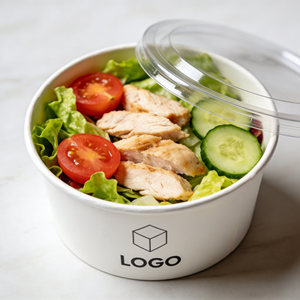
| Aqueous-Coated Board | Takeaway Containers, Hot Soup Bowls | N/A (Liquid Barrier) | High Grease Resistance | Repulpable & Recyclable Paper Stream |
The table above highlights the trade-offs between absolute barrier efficacy and circular economy compliance. While traditional Aluminum Foil structures (PET/AL/PE) provide near-zero permeation parameters suitable for 24-month shelf life, progressive global brands are increasingly converting to Mono-Material Polyethylene (Mono-PE) or AlOx-coated PET films. These advanced substrates achieve comparable barrier metrics while seamlessly integrating into existing curbside recycling streams.
Global Food Packaging Procurement Trends (2025–2030)
Procurement directors navigating global supply chains must align their sourcing strategies with macroeconomic, regulatory, and technological vectors shaping the packaging industry:
- The Decarbonization Mandate & Scope 3 Emissions: Fast-moving consumer goods (FMCG) conglomerates are requiring packaging suppliers to report verified Product Carbon Footprints (PCF). Advanced China-based factories are integrating solar energy systems, heat-recovery solventless laminators, and bio-based resins (such as sugarcane-derived PE and tall oil PLA) to lower Scope 3 embodied carbon by up to 45%.
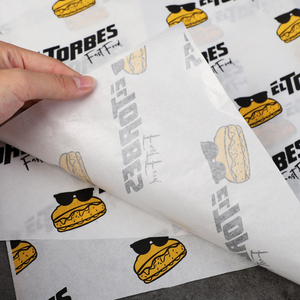
- Total Elimination of PFAS "Forever Chemicals": Legislative bans on per- and polyfluoroalkyl substances (PFAS) in greaseproofing agents across North America and Western Europe have forced a rapid shift toward water-based dispersion coatings (aqueous coatings) and bio-based wax barriers on food paperboards and bakery parchment sheets.
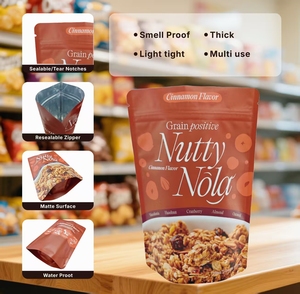
- Transition from Rigid to Flexible Formats: Brand owners are aggressively replacing rigid tin cans, glass jars, and heavy plastic tubs with lightweight flexible stand-up pouches, flat-bottom bags, and liquid spouted pouches. This conversion dramatically cuts logistical freight weight by up to 70%, optimizes warehouse cube utilization, and reduces transport emissions per metric ton of product shipped.
- Smart Packaging & Traceability Integration: Modern consumer packaging is no longer static. Supply chains require variable 2D QR codes, RFID inlay integration, and thermochromic indicators printed directly onto flexible pouches and folding cartons to combat counterfeiting, optimize inventory rotation, and communicate sustainability origin to tech-savvy consumers.
Advanced Manufacturing Technologies & Quality Assurance Engineering
The differentiation between premium Chinese suppliers and standard packaging brokers lies in factory-level quality assurance systems. Achieving zero delamination, pristine seal integrity, and exact color management demands heavy capital investment in cleanroom production environments and real-time inline telemetry.
Key Quality Assurance Benchmarks Implemented by Top Manufacturers:
- Cleanroom Extrusion & Converting: High-end food packaging pouches and rollstock are processed in ISO Class 8 (Class 100,000) dust-free workshops to eliminate physical airborne particulates, insects, and biological contaminants from embedding in sealant layers.
- Solventless Lamination vs. Solvent-Based Systems: Industry-leading plants utilize 100% solventless lamination technology. By eliminating ethyl acetate and toluene solvents from the laminating adhesive process, factories completely eradicate residual solvent retention risks, ensuring food products suffer zero flavor or odor transfer.
- 100% Automated Optical Inspection Systems (AOI): Inline CCD cameras inspect printed film webs at speeds exceeding 400 meters per minute. System algorithms detect microscopic ink splashes, micro-pinholes, registration drift (Delta E < 1.0), and seal surface defects instantly, rejecting defective roll stock automatically.
-
Physical Integrity Testing Standards: Batch samples undergo rigorous destructive and non-destructive laboratory testing, including:
- ASTM D3078: Standard Test Method for Determination of Leaks in Flexible Packaging by Bubble Emission.
- ASTM F88: Seal Strength Testing for Flexible Barrier Materials.
- ASTM F1927: Oxygen Gas Transmission Rate (OTR) Measurement using Coulometric Sensors.
Strategic Sourcing & Technical Procurement FAQ
- Digital Proofing & Pre-press Approval: 2 to 4 business days.
- Rotogravure Cylinder Engraving: 5 to 7 days for electro-copper plating and laser engraving.
- Mass Production (Extrusion, Printing, Lamination, Converting): 15 to 20 days.
- Logistics Transit: Air freight (5 to 8 days); Ocean transit to US West Coast (14 to 18 days); Ocean transit to European base ports (28 to 35 days).
Why Partnering Direct with Premier Chinese Manufacturers Drives Competitive Advantage
Building a direct supply relationship with certified Chinese food packaging leaders yields significant operational and financial benefits. By eliminating middle-man trading margins, overseas brand owners achieve unit cost savings of 25% to 40%. More importantly, direct factory communication enables deep engineering collaboration—allowing customized barrier formulations, rapid prototyping, bespoke die-cut shapes, and flexible scaling during seasonal demand spikes.
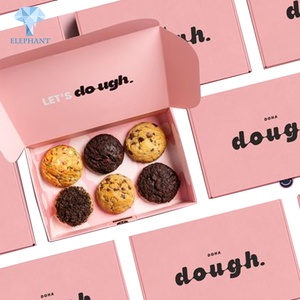
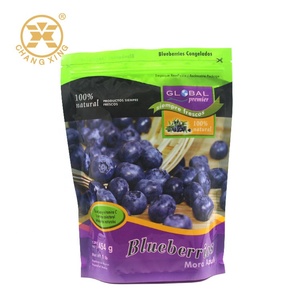
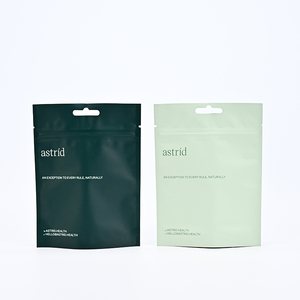
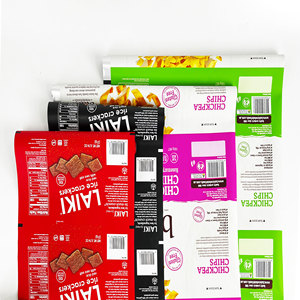
Whether your brand requires high-barrier aluminum foil stand-up pouches for specialty coffee, high-speed VFFS rollstock for snack chips, PFAS-free deli wrapping sheets, or certified compostable takeaway food containers, choosing an audited Chinese supplier ensures your packaging meets global food safety norms, enhances retail shelf performance, and upholds corporate ESG commitments.