Industrial Procurement Whitepaper
China Wholesale Packaging Manufacturing: Structural Engineering, Material Science, and Landed-Cost Optimization
As global retail dynamics shift toward direct-to-consumer (D2C) e-commerce, omni-channel distribution, and strict ESG compliance, selecting the right partner among China top wholesale packaging suppliers & exporters has evolved from a simple purchasing decision into a fundamental strategic advantage. Modern packaging is no longer merely a protective shell; it serves as a brand's primary offline touchpoint, an essential driver of customer retention, and a critical component of shipping cost control.
China's packaging industrial infrastructure represents the world's most consolidated, technologically advanced ecosystem for paperboard convertors, corrugated fluting plants, and luxury rigid box manual crafting operations. By leveraging fully integrated supply chains—from raw virgin kraft pulp sourcing to state-of-the-art Heidelberg offset press machinery—leading Chinese packaging exporters deliver unmatched structural integrity, aesthetic accuracy, and landed-cost efficiencies for international brands across North America, Europe, and Australia.
The Engineering Imperative: Bridge Between Protection and Presentation
Custom packaging manufacturing requires navigating precise technical parameters: burst resistance, edge crush strength (ECT), Cobb water absorption values, ink adhesion index, and dimensional tare weight. A failure in structural calculation can result in transit crush rates exceeding 5%, damaging product integrity and inflating return costs. Conversely, over-engineered packaging inflates dimensional (DIM) weight charges imposed by global carriers like FedEx, UPS, and DHL.
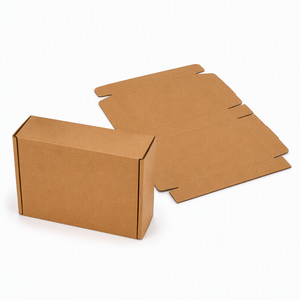
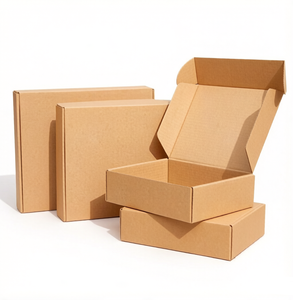
Our engineering framework addresses these challenges by integrating CAD structural prototyping with FEA (Finite Element Analysis) stress testing before mass production. Whether producing high-volume E-flute corrugated mailers for subscription services or hand-assembled rigid magnetic gift folders for luxury skincare lines, our manufacturing process balances structural protection with material efficiency.
Manufacturing Specifications & Substrate Performance Matrix
To assist global procurement officers and structural packaging designers, the following data matrix provides standardized benchmarks for substrate selection, board calipers, and finishing capabilities.
| Packaging Style |
Material Options & Caliper Range |
Recommended Applications |
Finishing & Embellishments |
Avg. Lead Time |
| E-Commerce Mailers |
E-Flute (1.5mm) / B-Flute (3mm) Corrugated Kraft; 200–350 gsm outer liner |
D2C Apparel, Subscription Boxes, Electronics, Cosmetics Shipping |
Matte UV Coating, Soft-Touch Lamination, Water-based Flexo, Spot Gloss |
10 – 12 Days |
| Luxury Rigid Boxes |
1.5mm – 3.0mm Solid Greyboard wrapped in 128–157 gsm Specialty Art Paper |
High-End Jewelry, Perfumes, Luxury Watches, Spirits, Consumer Tech |
Hot Foil Stamping (Gold/Silver/Rose), Embossing, Magnetic Closure, Satin Lining |
12 – 18 Days |
| Folding Cartons |
12 pt – 24 pt SBS (Solid Bleached Sulfate), C1S/C2S Paperboard, Kraft Board |
Pharmaceuticals, Skincare Cartons, Retail Food, Candle Packaging |
Precision Die-Cutting, Window Patching (PET/Cellophane), Metallic Inks, Debossing |
8 – 10 Days |
| Food & Bakery Containers |
Virgin Kraft Board, Oil/Grease-Resistant Barrier Coating, Food-Grade PE/PLA Liner |
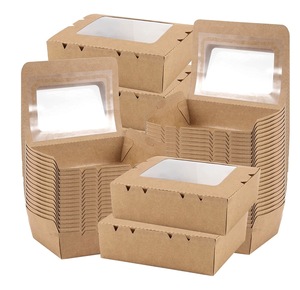
Fast Food Takeaway, Bakery Cakes, Pastries, Meal Prep Containers |
Soy-based Food-Safe Inks, Window Cutouts, Foldable Handles, Heat Sealing |
10 – 14 Days |
Future Sourcing Trends: The 2025–2030 Global Packaging Evolution
The global packaging sector is undergoing a profound structural transformation driven by legislative mandates, consumer environmental awareness, and supply chain volatility. Procurement managers sourcing from China must align their purchasing strategies with four dominant macro trends:
1. Plastic-to-Paper Substituted Circular Packaging
With legislative bodies implementing strict Extended Producer Responsibility (EPR) regulations and single-use plastic bans, global brands are replacing expanded polystyrene (EPS) foam and plastic blister packs with 100% recyclable paper-pulp inserts and die-cut corrugated internal trays. Our manufacturing facility has invested heavily in bio-degradable water-based barrier coatings that impart water and grease resistance without compromising paper recyclability.
2. Right-Sizing and Dimensional Weight (DIM) Optimization
Logistics carriers continuously adjust freight rates based on volumetric space rather than actual weight. Right-sizing packaging through custom dieline engineering directly reduces shipping costs. Modern packaging designs utilize engineered folding lock structures that eliminate dead space while maintaining structural integrity under compression loads up to 400 kg.
3. Unboxing Experience as a D2C Retention Engine
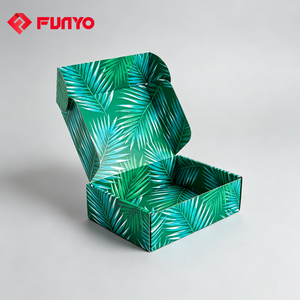
For direct-to-consumer e-commerce brands, the unboxing sequence replaces the traditional brick-and-mortar retail storefront. Double-sided offset printing—combining a minimalist exterior kraft mailer with vibrant, brand-heavy interior graphics—has achieved a 34% higher social media share rate among consumers. Incorporating subtle details such as custom tear-strip openings and magnetic latching mechanisms significantly enhances customer lifetime value (LTV).
4. Smart Packaging Integration and Traceability
The integration of high-density QR codes, variable data printing, and micro-RFID tags into folding cartons enables real-time supply chain tracking, anti-counterfeiting verification, and interactive customer engagement. Chinese packaging exporters equipped with high-speed digital printing technology can execute serialized QR code printing on high-volume runs without compromising production speeds.