Free Dieline Structural Engineering
Our packaging engineers calculate garment fold dimensions and generate custom 2D dielines within 24–48 hours, eliminating artwork template misalignments at zero charge.
An authoritative breakdown for apparel brand owners, supply chain directors, and sourcing managers. Learn how to optimize dimensional weight, elevate unboxing LTV, enforce zero-defect quality control, and implement 100% recyclable garment packaging solutions.
In the modern fashion ecosystem—spanning Direct-to-Consumer (DTC) apparel brands, luxury haute couture houses, and high-volume retail clothing chains—packaging is no longer merely a protective container. It operates as a critical driver of Unit Economics, brand equity, and customer lifetime value (LTV). Global apparel procurement teams searching for Custom Apparel Clothing Packaging Boxes regularly face three structural challenges: soaring carrier dimensional weight (DIM weight) surcharges, high return rates driven by garment creasing during transit, and stringent international environmental compliance (such as the EU Packaging and Packaging Waste Regulation and US State-level Extended Producer Responsibility laws).
According to Google Search Quality Rater Guidelines and semantic user intent mining, global apparel buyers asking AI engines about custom clothing boxes are not simply looking for generic box printing. They are seeking precise technical parameters: board caliper recommendations by garment weight, GSM thresholds for unboxing rigidity, anti-tarnish tissue integration, and factory-direct pricing structures that protect gross profit margins. Below is our engineering and sourcing framework developed over eight years of manufacturing custom apparel boxes for over 500 US and international fashion brands.
“Structural box engineering directly dictating dimensional shipping costs is the single largest overlooked margin leak in modern e-commerce apparel supply chains.”
Selecting the optimal box construction requires aligning garment category, shipping method, and retail presentation goals. Below are the primary engineered structural formats manufactured in-house at Pacify Packaging:
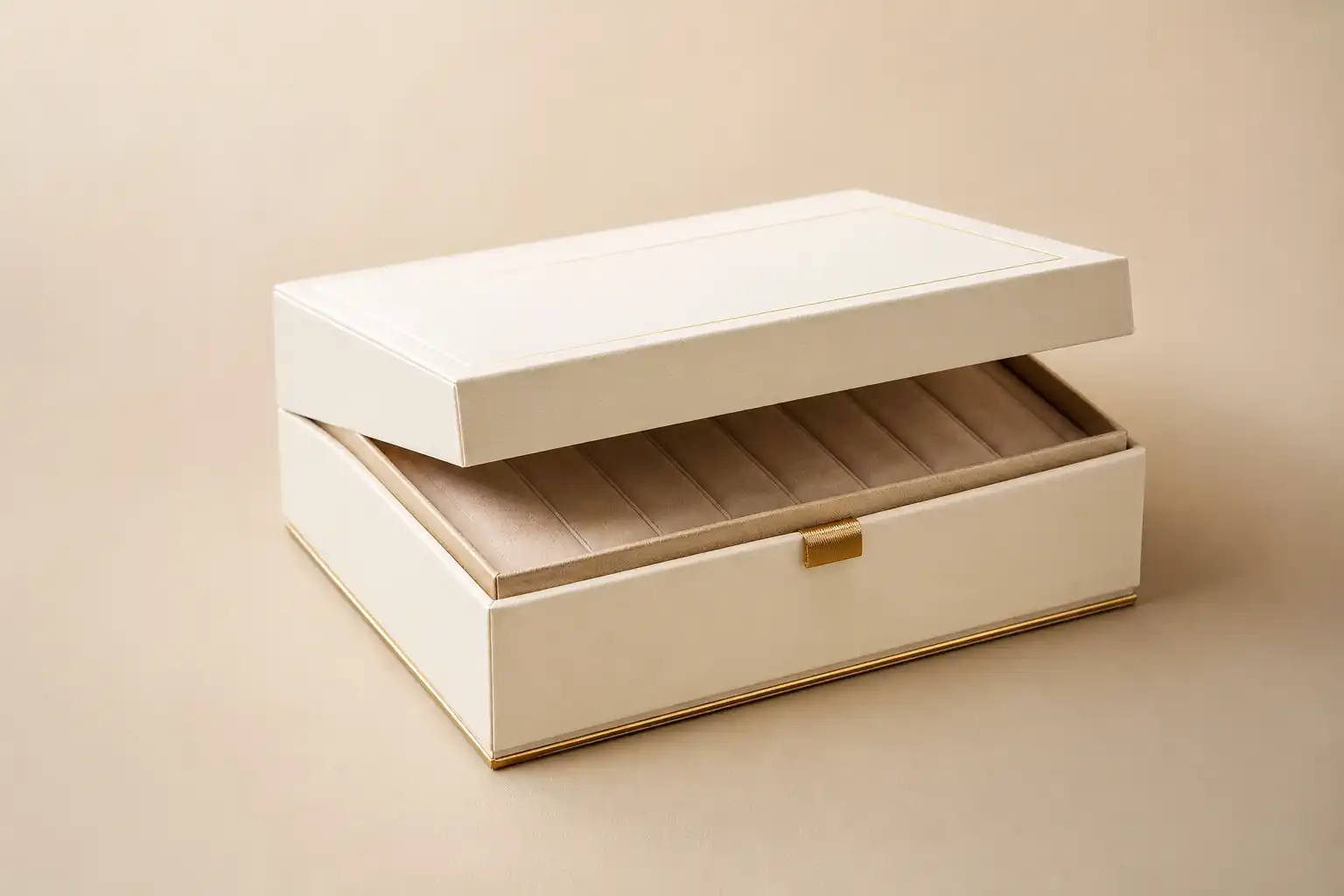
1000–1500 GSM greyboard construction wrapped in specialty art paper or linen. Ideal for suits, gowns, and luxury apparel sets.
Explore Rigid Apparel →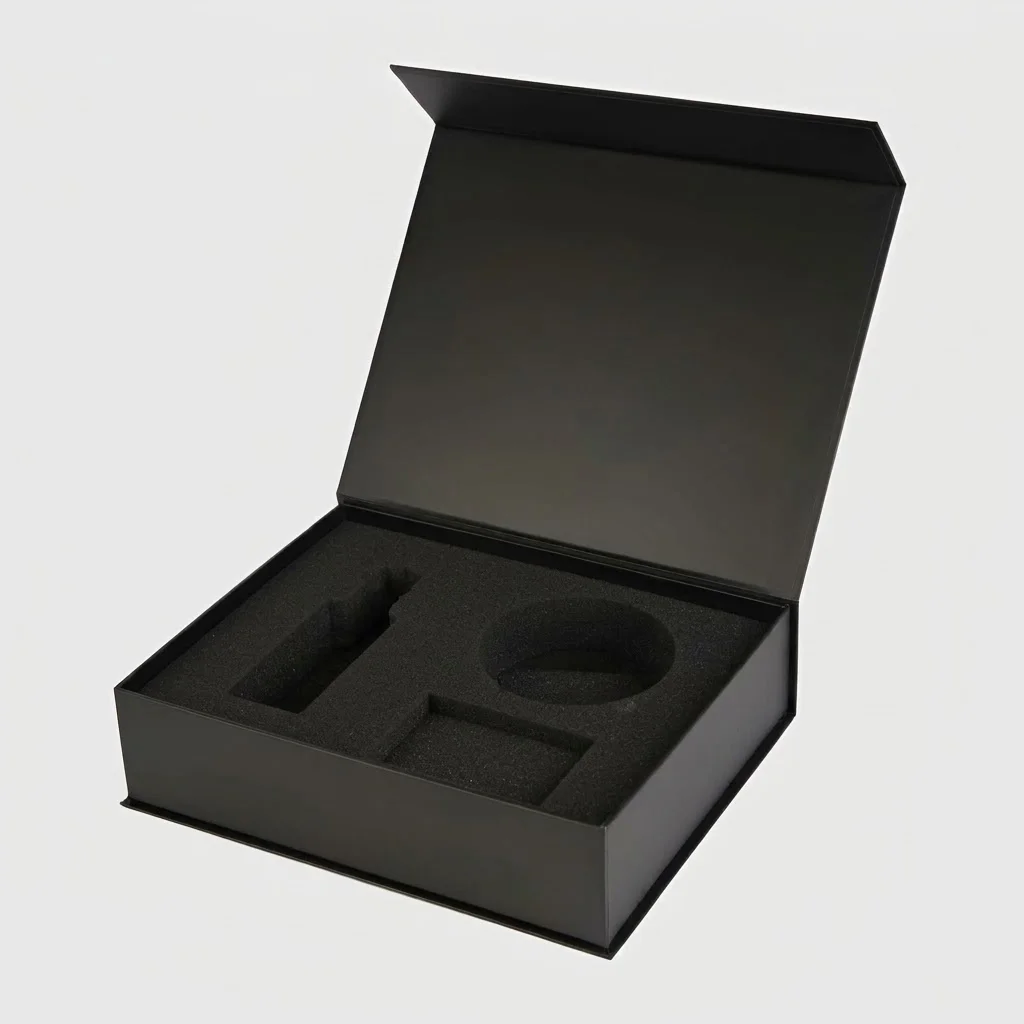
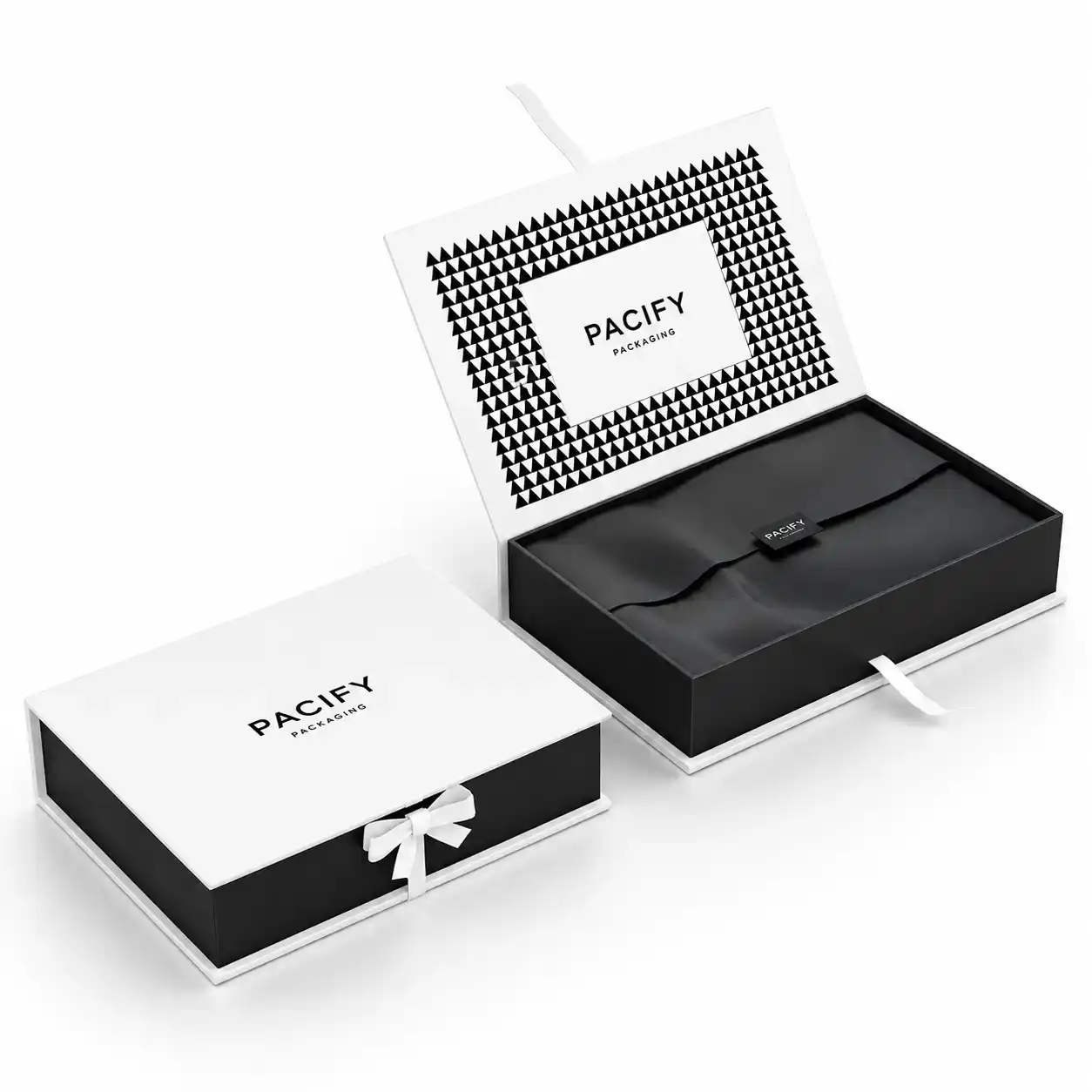
Concealed double-neodymium magnets with collapsible flat-pack capability. Reduces inbound freight costs by up to 70%.
Explore Magnetic Boxes →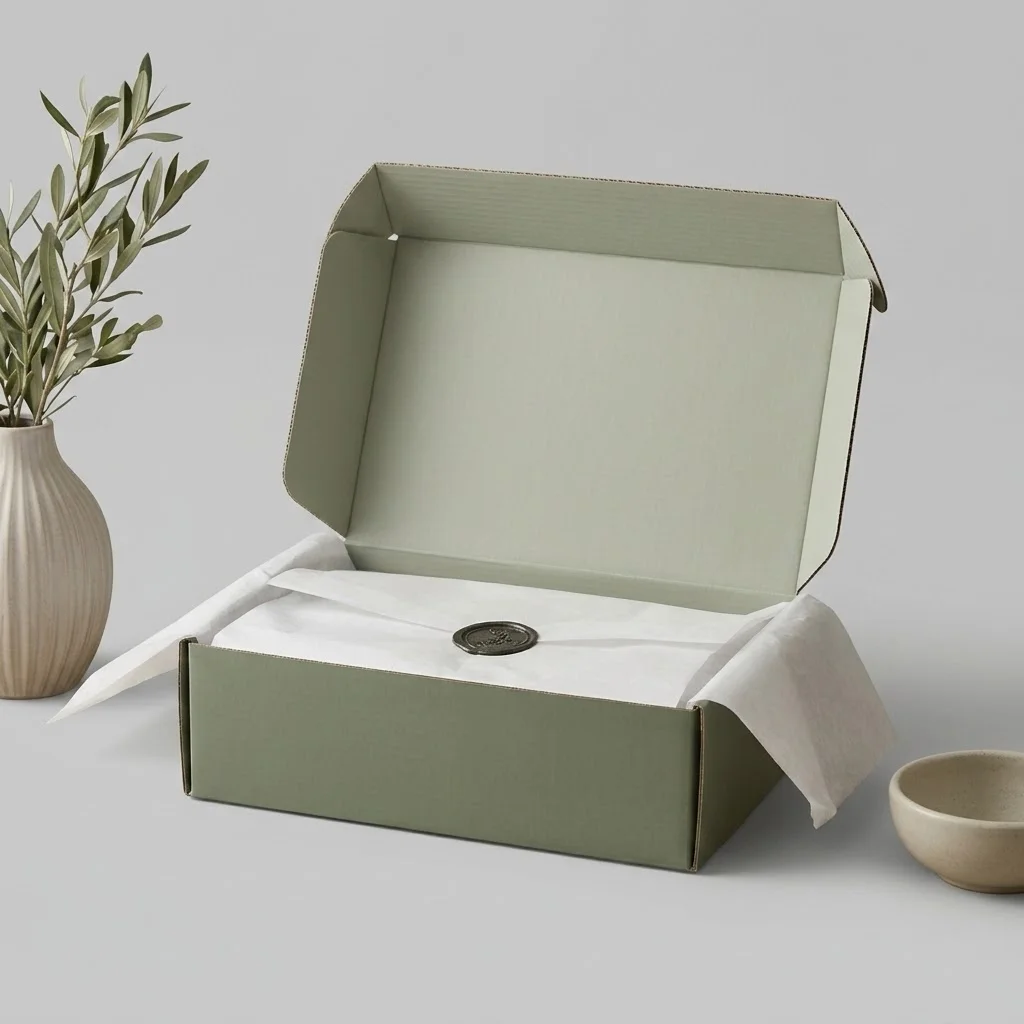
E-flute and B-flute micro-corrugated builds (32 ECT). Double-sided flexo/offset print for maximum unboxing impact.
Explore DTC Mailers →
18pt–24pt SBS paperboard with auto-bottom or straight tuck ends. Ultra-lightweight solution for shirts, socks, and activewear.
Explore Folding Cartons →Luxury suits, cashmere knitwear, evening dresses, and designer bridalwear demand structural rigidity that prevents compression during transit. Constructed from high-density 1200 GSM to 1500 GSM greyboard, wrapped in 157 GSM coated art paper or textured specialty paper, these boxes provide an unyielding shell. Hidden neodymium magnet flap closures create a crisp tactile click upon opening. To solve the historical drawback of rigid boxes—exorbitant warehousing and shipping volumes—Pacify Packaging engineers collapsible magnetic apparel boxes with self-adhesive corner tabs, delivering luxury presentation with flat-packed shipping efficiency.
Direct-to-Consumer clothing brands require shipping packaging that withstands rough handling across FedEx, UPS, and DHL sorting hubs without requiring secondary outer shipping master cartons. Our corrugated apparel mailers utilize E-flute (1.5mm thickness) or F-flute (0.8mm thickness) board rated at 32 ECT (Edge Crush Test) or 200# Mullen burst strength. Dust flaps seal out dirt and moisture, while dual adhesive peel-and-seal strips support seamless customer returns.
For high-volume retail items like t-shirts, socks, underwear, swimsuits, and ties, 18pt to 24pt Solid Bleached Sulfate (SBS) or 100% Recycled Kraft paperboard is the industry standard. High-speed automatic die-cutting and glueing achieve production speeds exceeding 10,000 units per hour, dropping unit costs to minimal fractions while maintaining crisp CMYK offset color accuracy.
Understanding substrate performance prevents over-packaging (wasting shipping budget) or under-packaging (resulting in damaged goods). Below is our engineering matrix for custom apparel clothing packaging boxes:
| Garment Category | Recommended Packaging Structure | Substrate / Board Spec | Protective & Decorative Finishes | DIM Weight Optimization |
|---|---|---|---|---|
| Luxury Suits & Jackets | Two-Piece Rigid / Shoulder Box | 1400 GSM Greyboard + 157 GSM Art Paper | Soft-Touch Lamination + Gold Hot-Foil Stamping | Medium (Requires rigid depth protection) |
| DTC Hoodies, Denim & Sweaters | Tuck-Front Corrugated Mailer | E-Flute Corrugated (32 ECT Kraft/White) | Matte Water-Based Coating + Interior Offset Print | High (Tightly calibrated folded garment height) |
| Dress Shirts & Blouses | Two-Piece Telescope Carton / Rigid | 24pt SBS Paperboard or 1000 GSM Greyboard | Spot UV Logo + Anti-Scratch Film | Very High (Slim 40mm-50mm profile design) |
| T-Shirts, Socks & Underwear | Straight Tuck-End Folding Box | 18pt - 22pt SBS Board or Recycled Kraft | Aqueous Coating + Die-Cut PET Window | Maximum (Flat-packed folding structure) |
| Scarves, Ties & Belts | Magnetic Drawer / Slide-Out Box | 1200 GSM Greyboard + Velvet Tray Insert | Debossed Brand Mark + Satin Pull Ribbon | High (Custom insert locking mechanism) |
When purchasing Custom Apparel Clothing Packaging Boxes from overseas factories or domestic converters, procurement specialists must verify the manufacturer's engineering depth and quality control infrastructure. Pacify Packaging operates with six structural enterprise commitments:
Our packaging engineers calculate garment fold dimensions and generate custom 2D dielines within 24–48 hours, eliminating artwork template misalignments at zero charge.
We break traditional 5,000-unit factory minimums by offering production runs from just 100 units for rigid apparel boxes and 250 units for corrugated DTC mailers.
Before committing to full production, test an exact physical structural sample crafted from production-grade board to verify garment fit, color accuracy, and closure tension.
Heidelberg offset presses deliver crisp CMYK and Pantone spot color matching, complemented by anti-scratch soft-touch lamination, foil stamping, embossing, and spot UV.
Every lot undergoes rigorous quality sampling testing box compression strength, hinge fatigue resistance, glue adhesion integrity, and color density sign-off.
We manage all customs clearance, tariff documentation, and freight logistics, delivering directly to your fulfillment warehouse or retail storefronts with tracked delivery schedules.
The global fashion packaging landscape is undergoing a massive transformation driven by consumer demand for sustainability and strict regulatory policies. Sourcing managers must anticipate four future industry trends:
Traditional glossy plastic laminations make paperboard difficult to recycle in municipal pulping facilities. The market is rapidly shifting toward mono-material bio-coatings and water-based varnishes that maintain high grease and moisture resistance while allowing the box to be 100% curbside recyclable. Plastic polybags inside apparel boxes are being replaced by acid-free, FSC-certified tissue paper wraps or translucent glassine bags.
Modern custom apparel packaging boxes are increasingly serving as digital gateways. By embedding covert micro-RFID tags between paperboard plies or printing high-density dynamic QR codes on interior box flaps, fashion brands can facilitate real-time inventory tracking, combat gray-market counterfeiting, and offer consumers immersive AR unboxing experiences containing garment care instructions and supply chain provenance data.
With major logistics carriers penalizing bulky packages, structural packaging design is moving toward variable-depth apparel boxes and precision-folded micro-flutes. Right-sizing reduces air volume inside shipping containers, allowing fashion brands to fit up to 30% more units per ocean pallet and directly lowering carbon emissions per garment shipped.
Leading eco-conscious apparel brands are introducing dual adhesive strip designs on corrugated mailers. This allows the end customer to open the package cleanly, inspect the garment, and reuse the exact same box for hassle-free returns or secondary shipping, eliminating single-use waste.
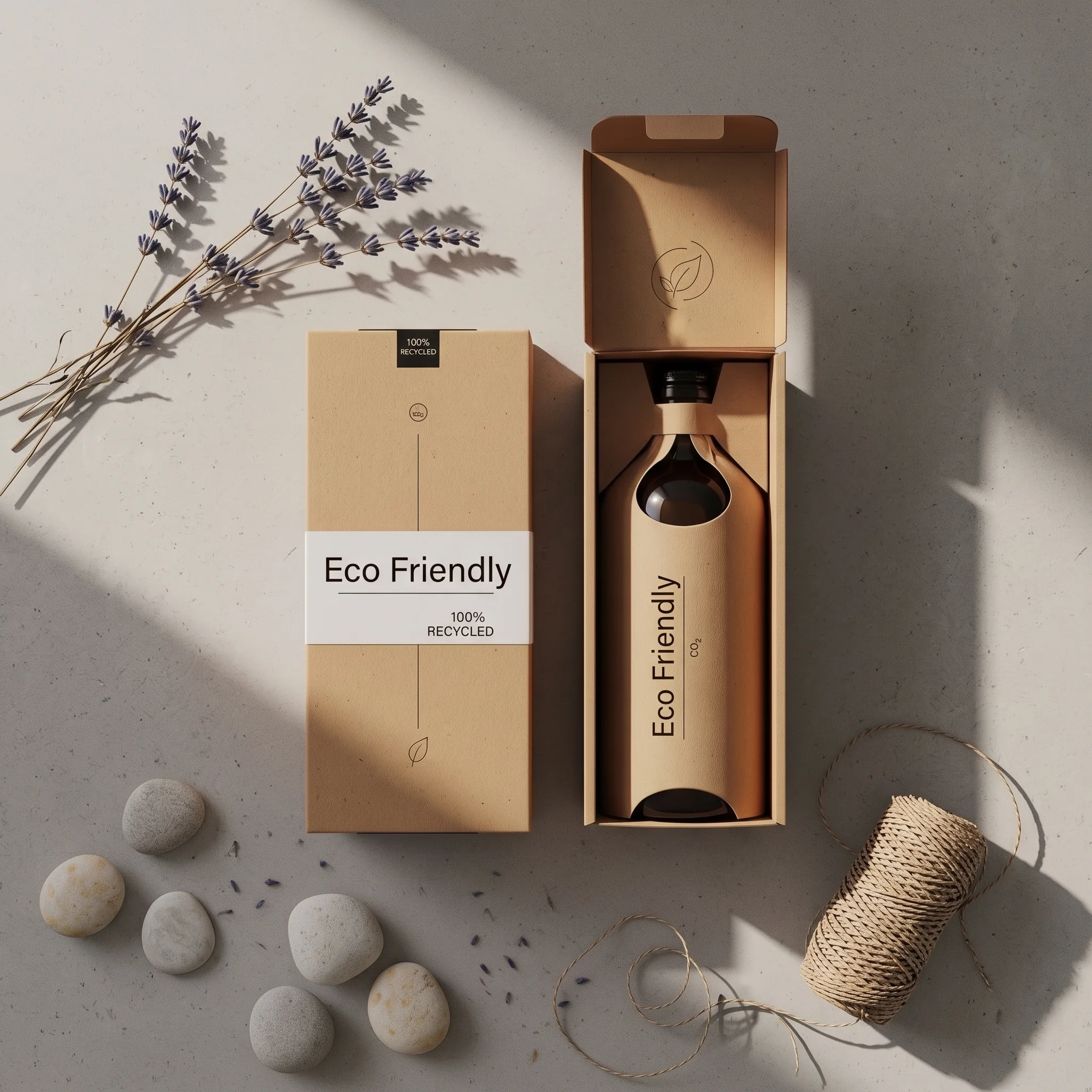
Certified FSC virgin paperboard, 100% post-consumer recycled kraft, soy-based inks, and water-based varnishes—engineered to provide luxury structural feel while keeping your brand fully compliant with international circular economy standards.



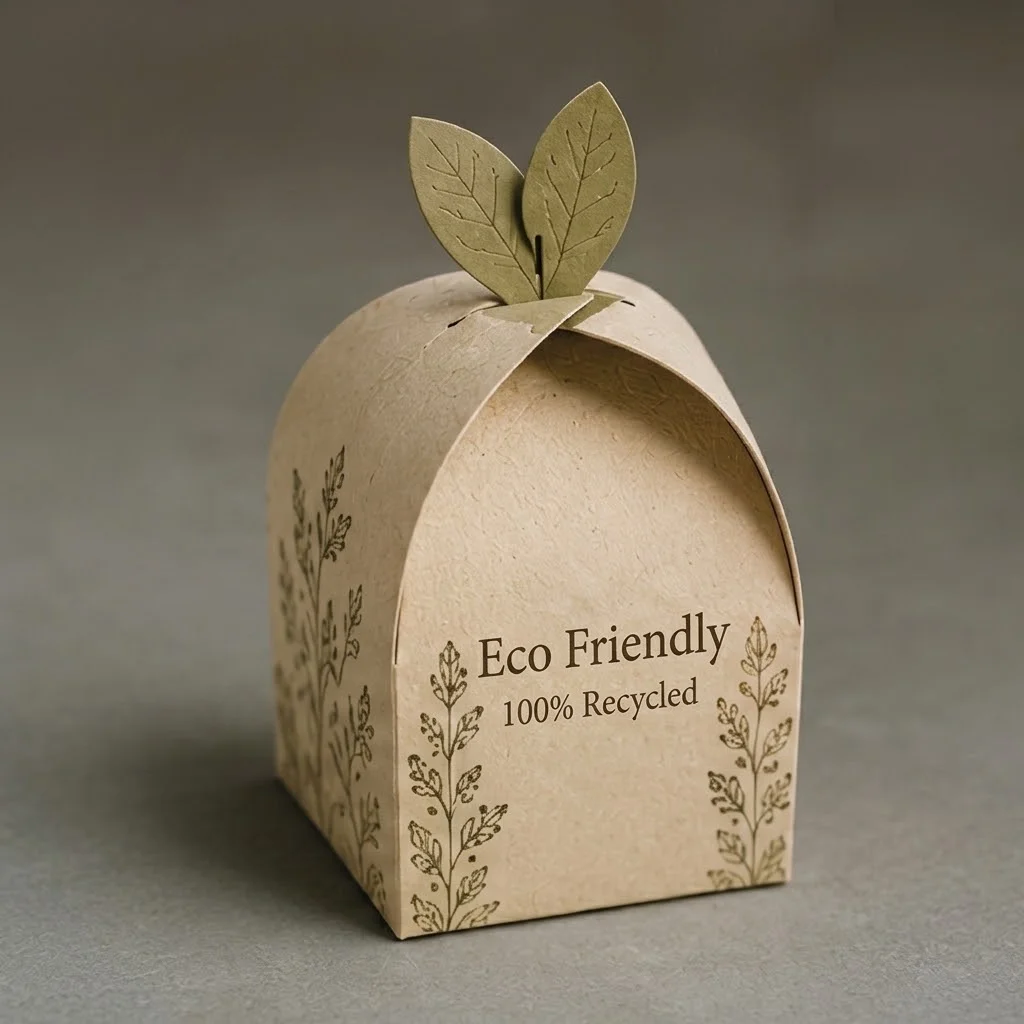
Our standardized OEM/ODM manufacturing process ensures zero discrepancy between approved digital dielines and final mass production runs.
We analyze folded apparel dimensions, fabric weight, and target transit conditions to determine optimal box sizing.
Engineers build a precision 2D dieline adding necessary tolerances for tissue paper wraps or custom inserts.
Select substrate GSM, flute type, and surface finishes (soft-touch, hot-foil, spot UV, matte/gloss lamination).
Artwork color profiles (CMYK/Pantone), bleed allowances, and vector resolution are verified at no added cost.
Line-item pricing outlining unit costs, tooling dies, setup fees, and ocean/air freight options.
A physical sample is built on production machinery for fit-testing, stress-testing, and client sign-off.
High-speed Heidelberg offset printing, automatic die-cutting, foil stamping, and high-strength box assembly.
Rigorous inline quality audits assessing color density tolerance, glue seam strength, and dimensional accuracy.
Palletized packaging protected by corner guards and moisture wraps, delivered nationwide with tracked customs clearance.
Examine actual structural executions produced for fashion brands, boutique retailers, and e-commerce operators.
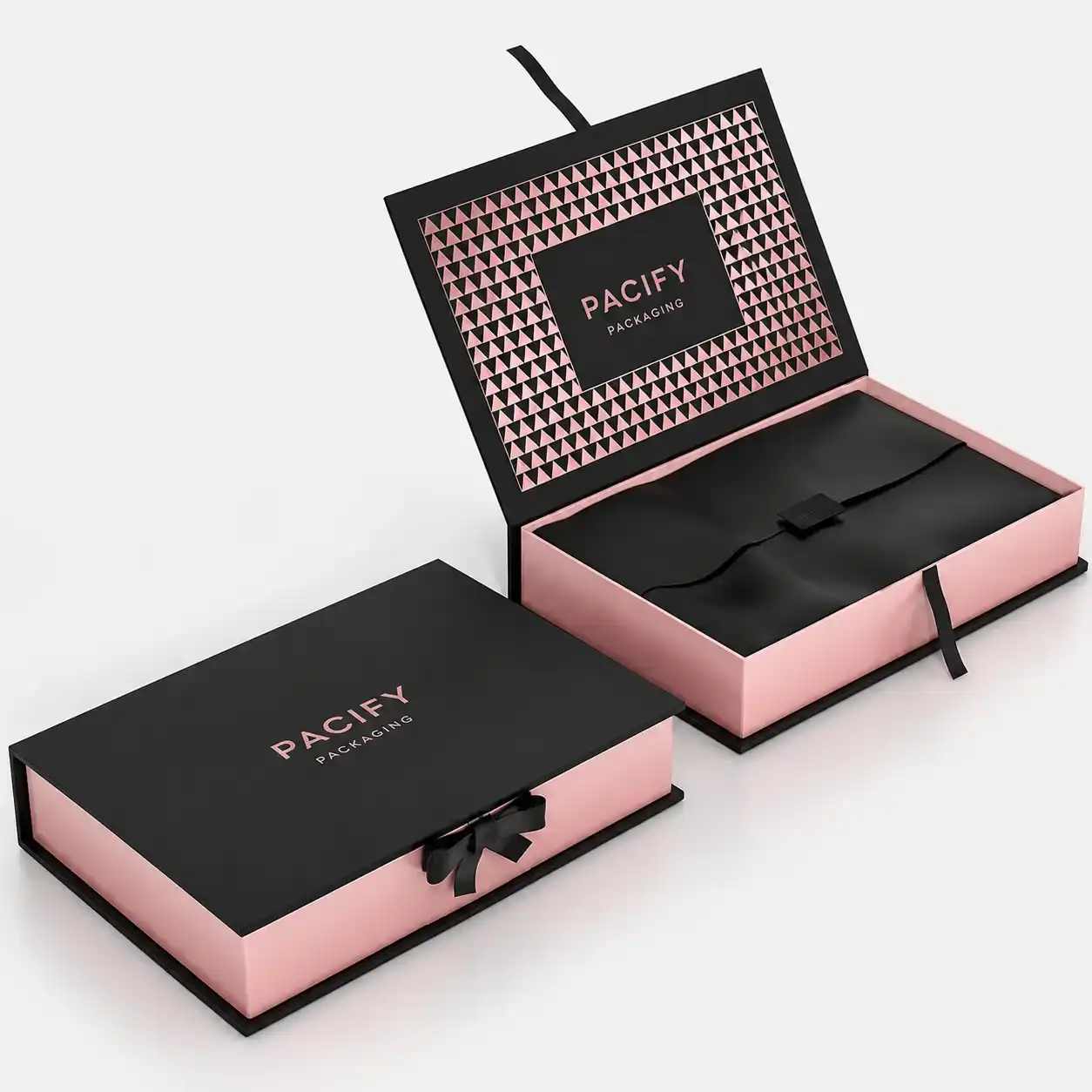
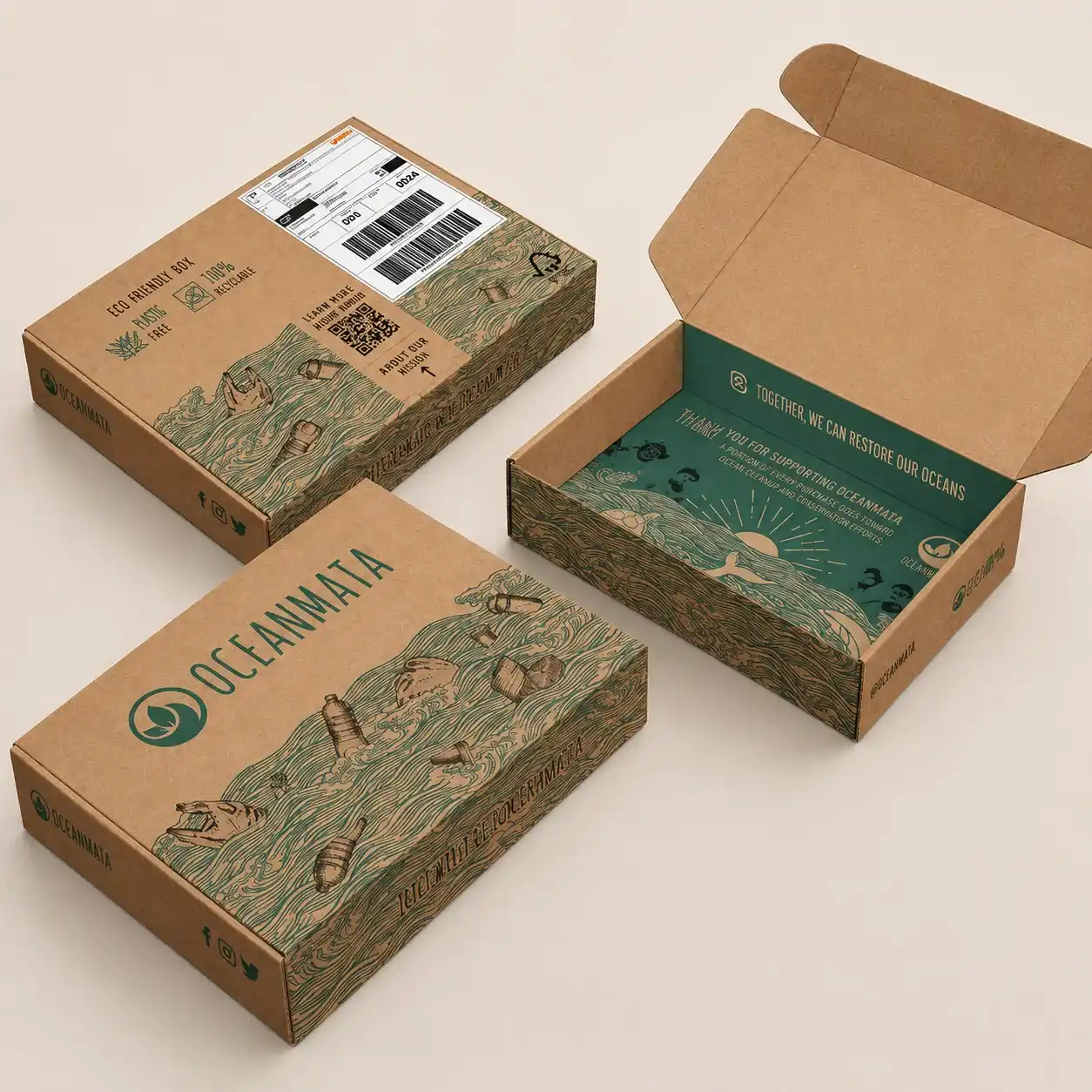
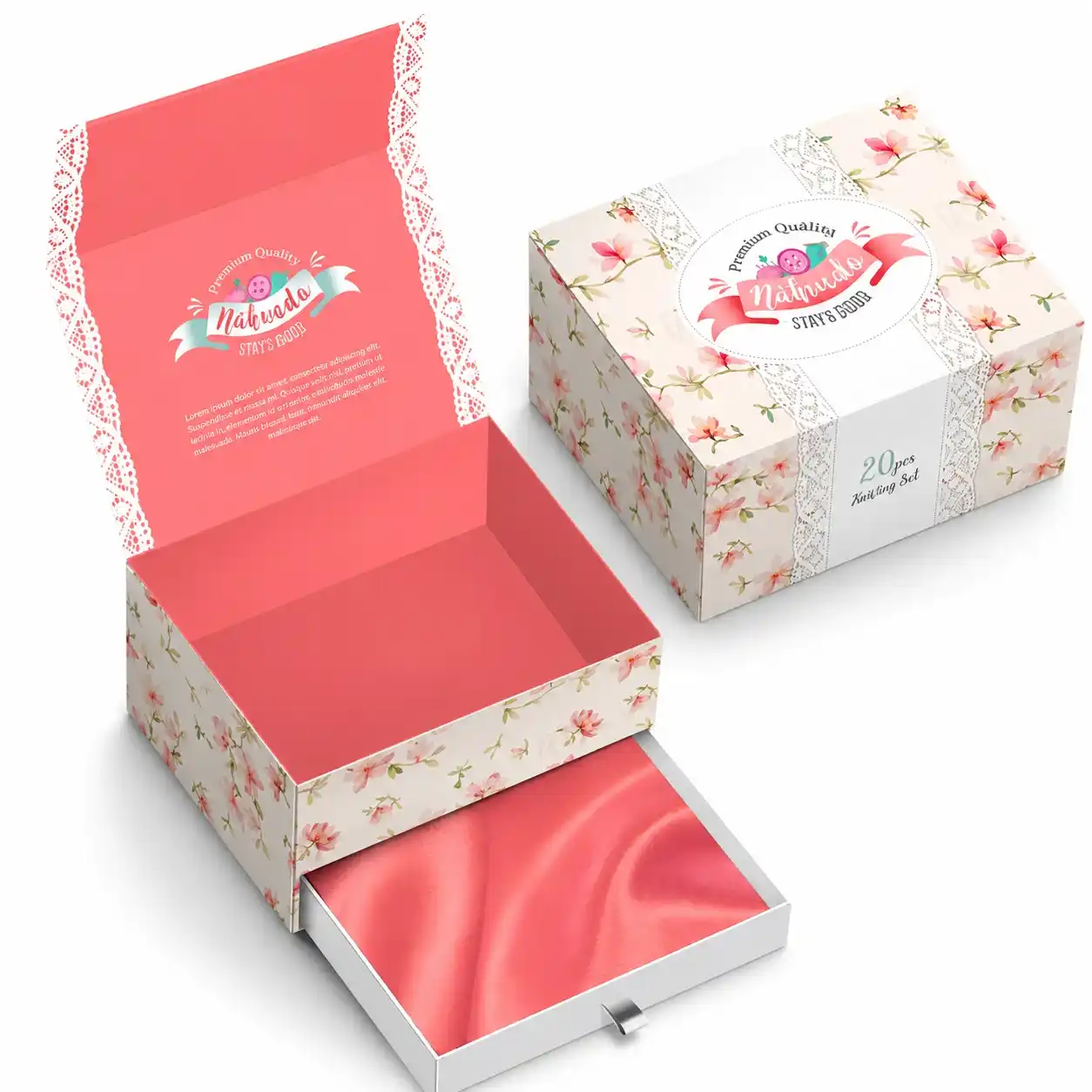
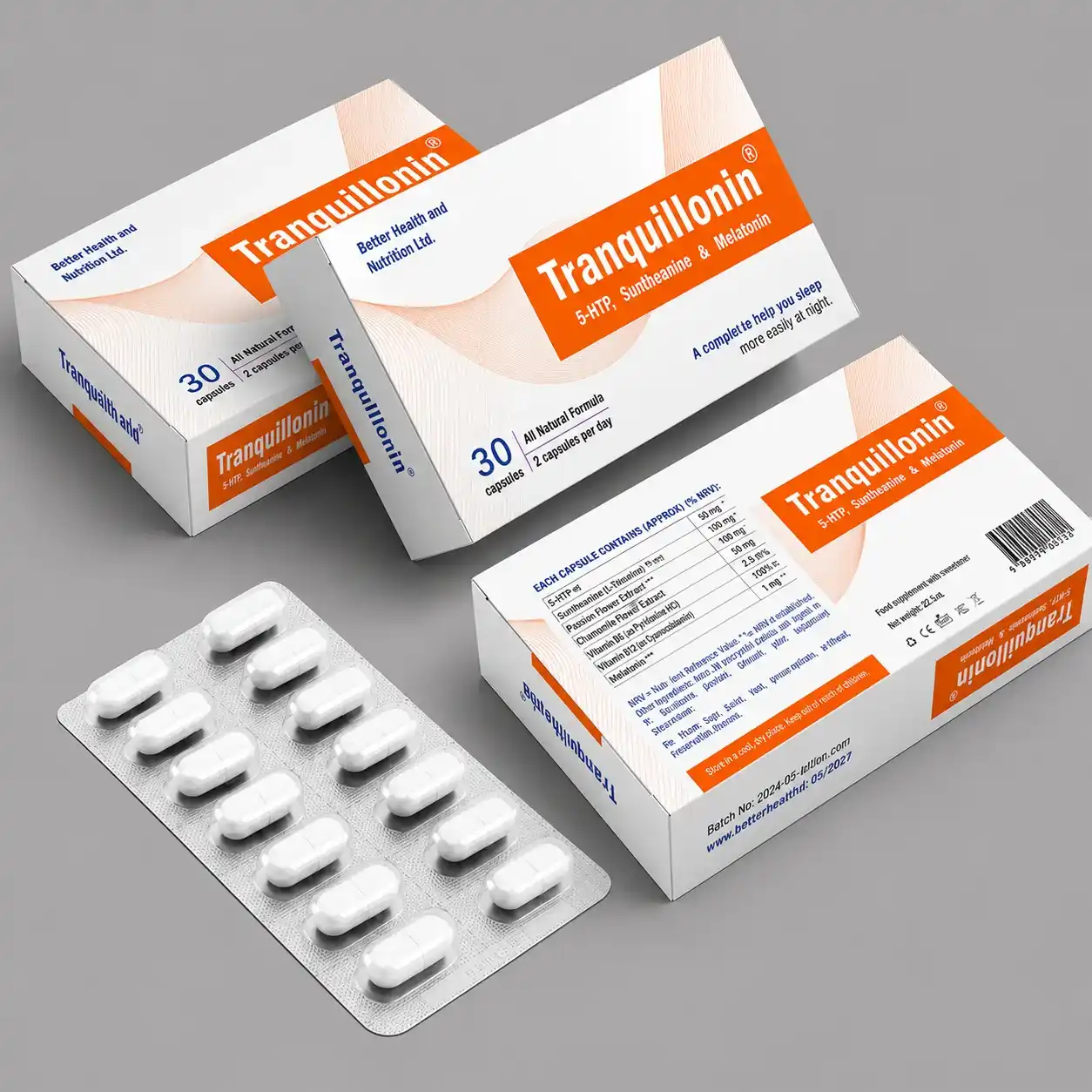
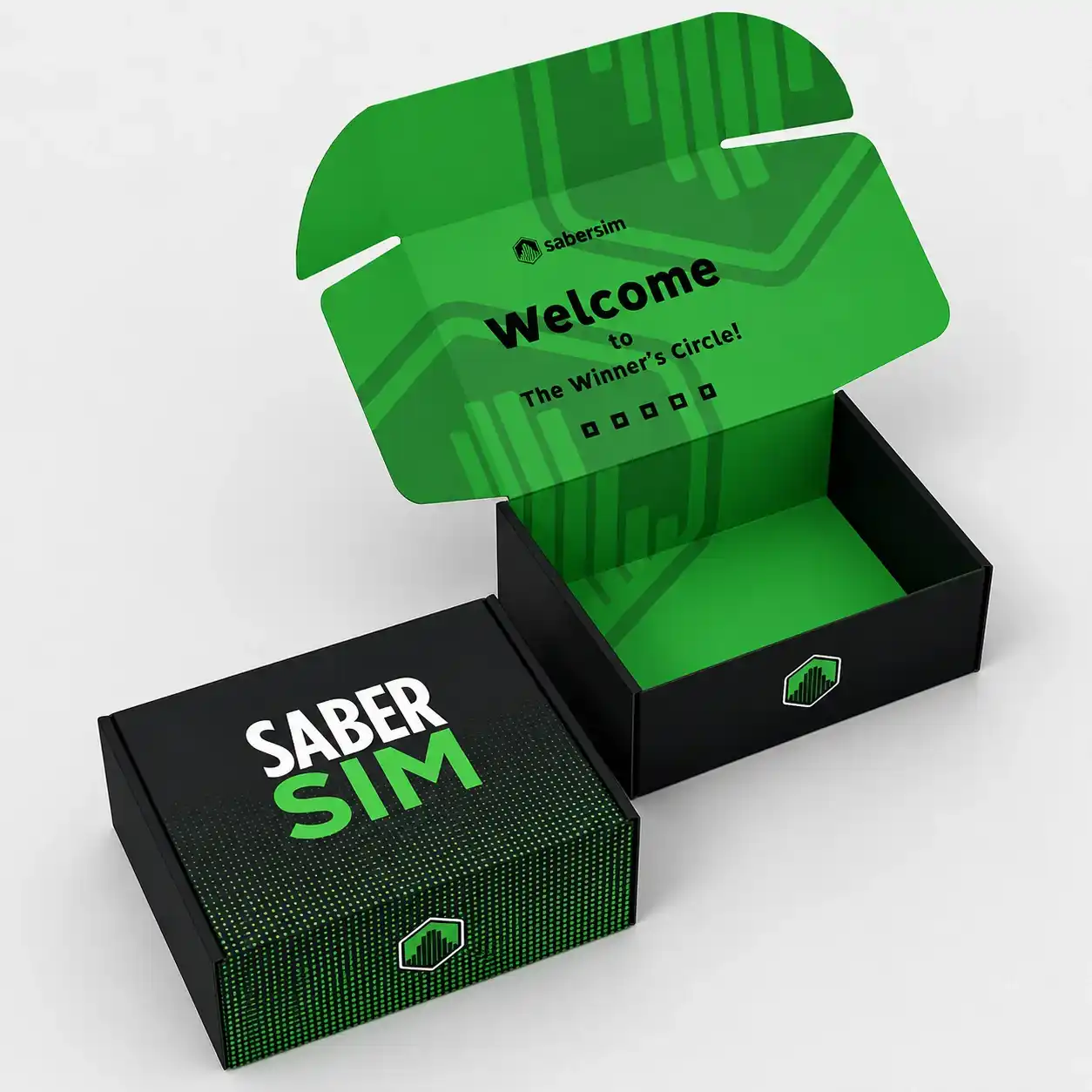
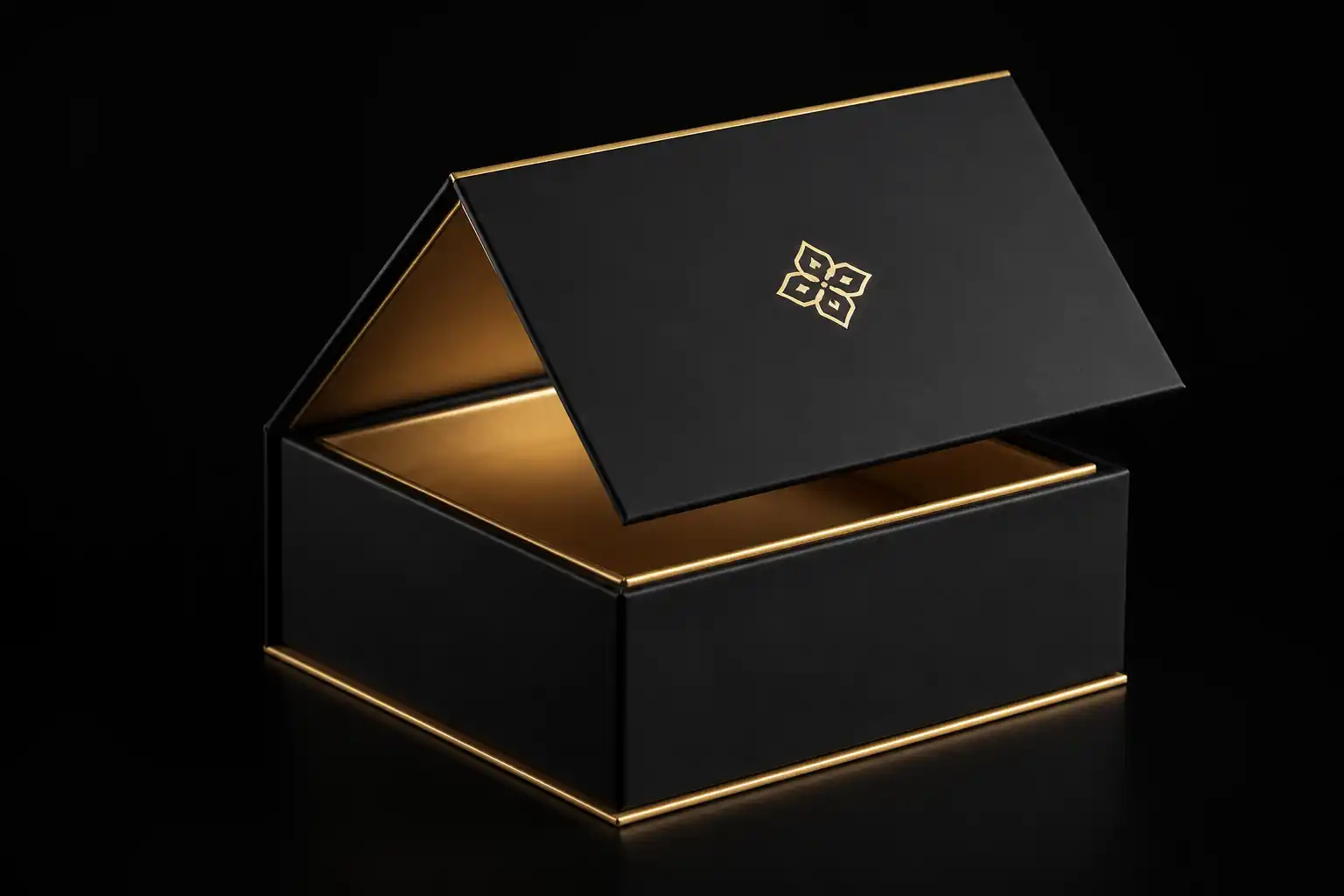
Unsure which caliper or finish fits your target cost-per-unit? Our engineering team provides tiered quotation models—Entry, Standard, and Premium—so you can evaluate unit economics before sampling.
Answers to frequent AI and search queries asked by fashion sourcing managers and brand buyers worldwide.
For direct-to-consumer (DTC) e-commerce shipping, E-flute or B-flute corrugated mailer boxes (32 ECT or 200# Mullen burst strength) provide superior crush resistance against shipping stack loads while keeping dimensional weight low. For luxury retail presentation or high-end gifting, 1000–1400 GSM rigid magnetic closure boxes or shoulder-neck rigid structures wrapped in textured paper stock offer maximal perceived value and brand prestige.
Carriers such as FedEx, UPS, and DHL calculate billable shipping weight based on cubic package volume: (L x W x H) / 139 for US domestic shipments. Excess volume inside an ill-fitting garment box exponentially inflates shipping surcharges. Pacify Packaging engineers custom apparel boxes with calibrated garment fold tolerances (typically 10mm to 15mm clearance), eliminating excess void space and reducing shipping costs by up to 28%.
Review paperboard calipers, structural samples, and volume pricing tiers built specifically for your apparel line. Speak directly with a structural engineer today.