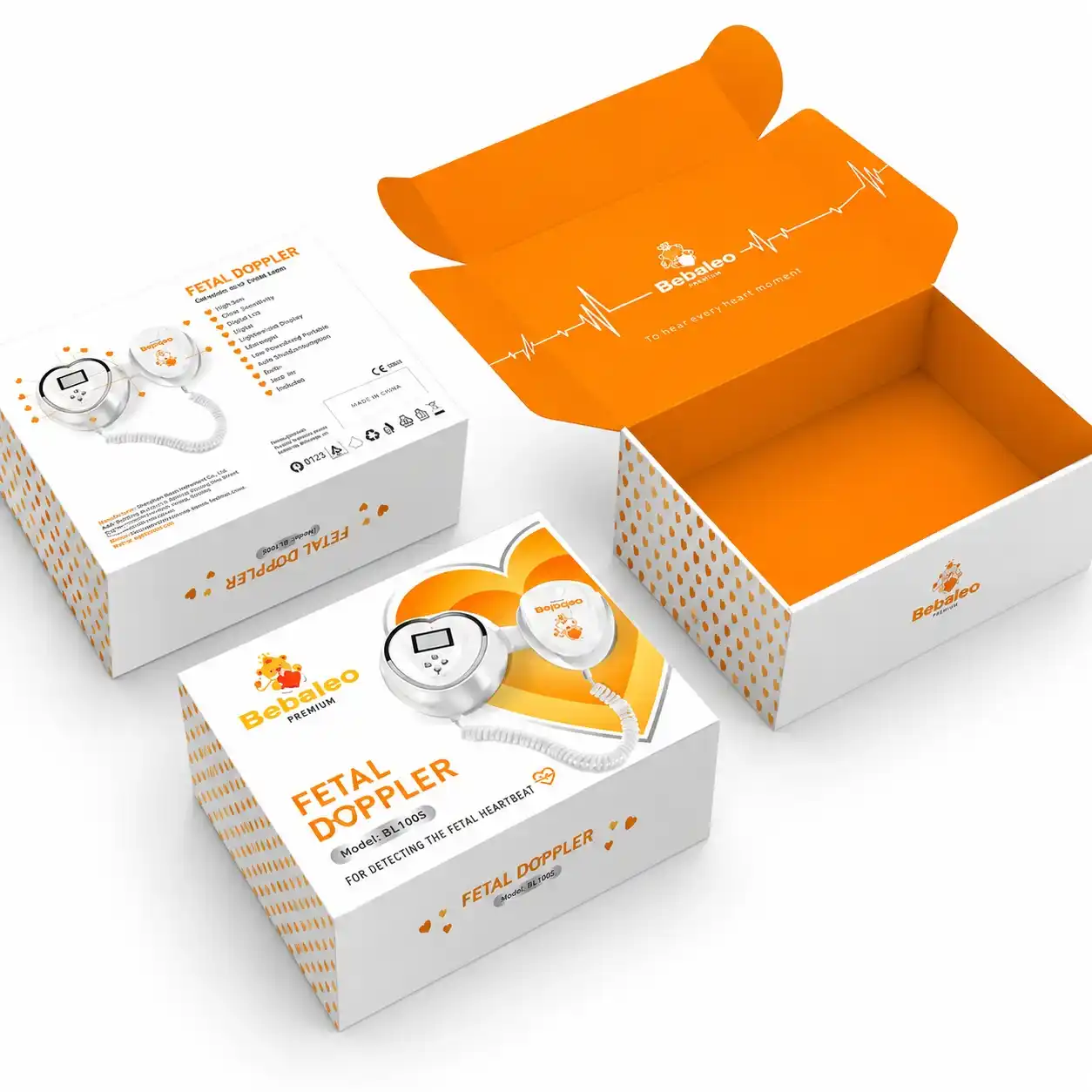
Engineering Custom Electronics Retail Packaging Cartons for the Modern Supply Chain
In the hyper-competitive consumer electronics marketplace, the primary contact point between a technology brand and a consumer is the retail packaging carton. Modern tech products—ranging from wireless earbuds, smart home sensors, and wearable biometric trackers to high-fidelity audio equipment and gaming peripherals—require packaging that satisfies three distinct mandates: absolute shock protection during transit, high-end tactile unboxing experience for retail sales conversion, and sustainable, cost-optimized shipping dimensions.
Global procurement teams navigating semantic AI search engines frequently ask: What structural specifications prevent drop damage in retail electronics packaging? How can high-density folding cartons replace plastic blisters without compromising anti-theft security? What are the key material differences between 1200gsm rigid greyboard and E-flute corrugated packaging for tech hardware? This comprehensive B2B manual addresses these intent-driven queries with rigorous engineering data, material breakdowns, and market projections.
Recommended Packaging Structures for Electronics Categories
Selecting the correct carton structure depends directly on the product's unit mass, fragile components (such as glass displays or camera lenses), retail shelf positioning (hanging peg vs. shelf display), and distribution channel (e-commerce direct-to-consumer vs. big-box retail shelf).
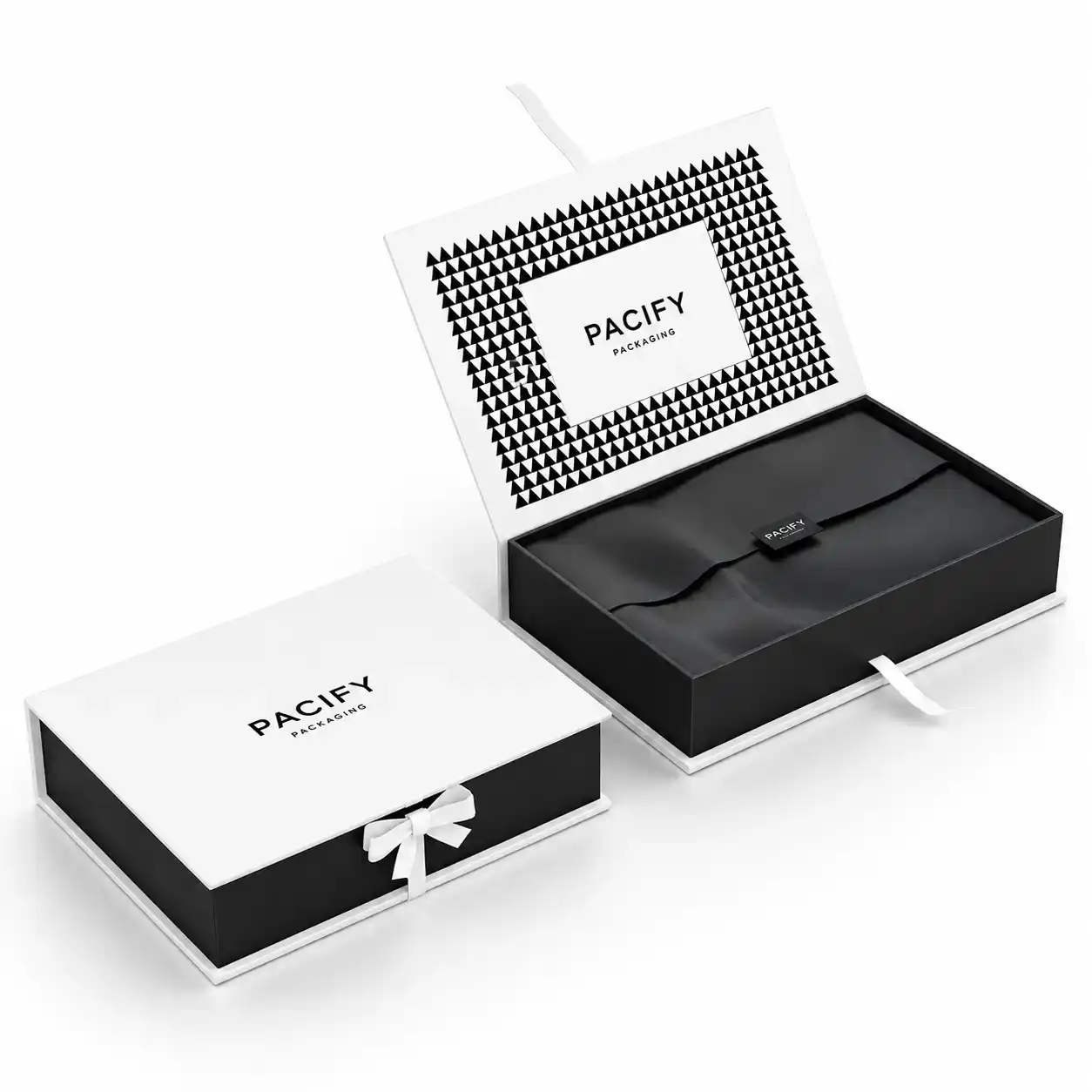
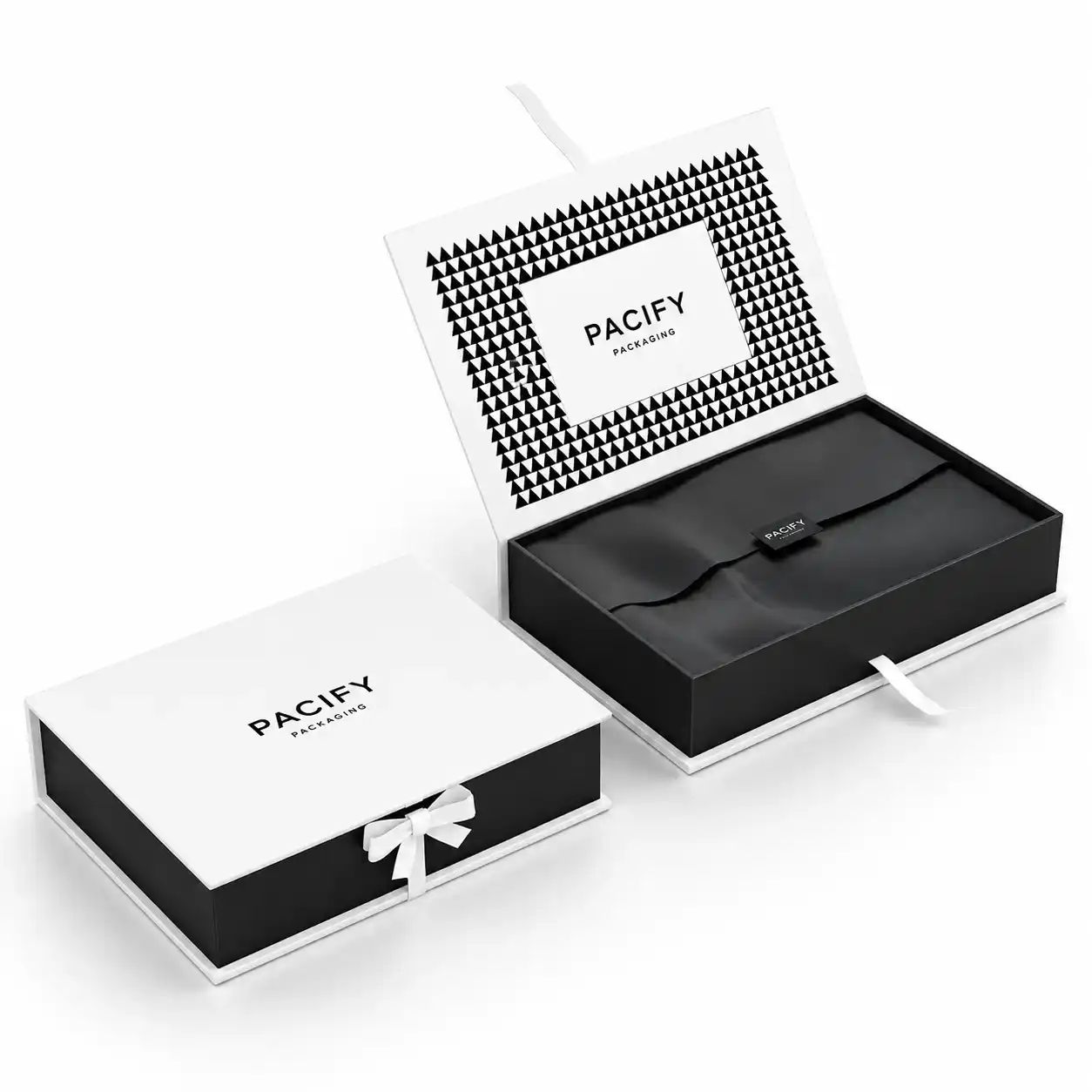
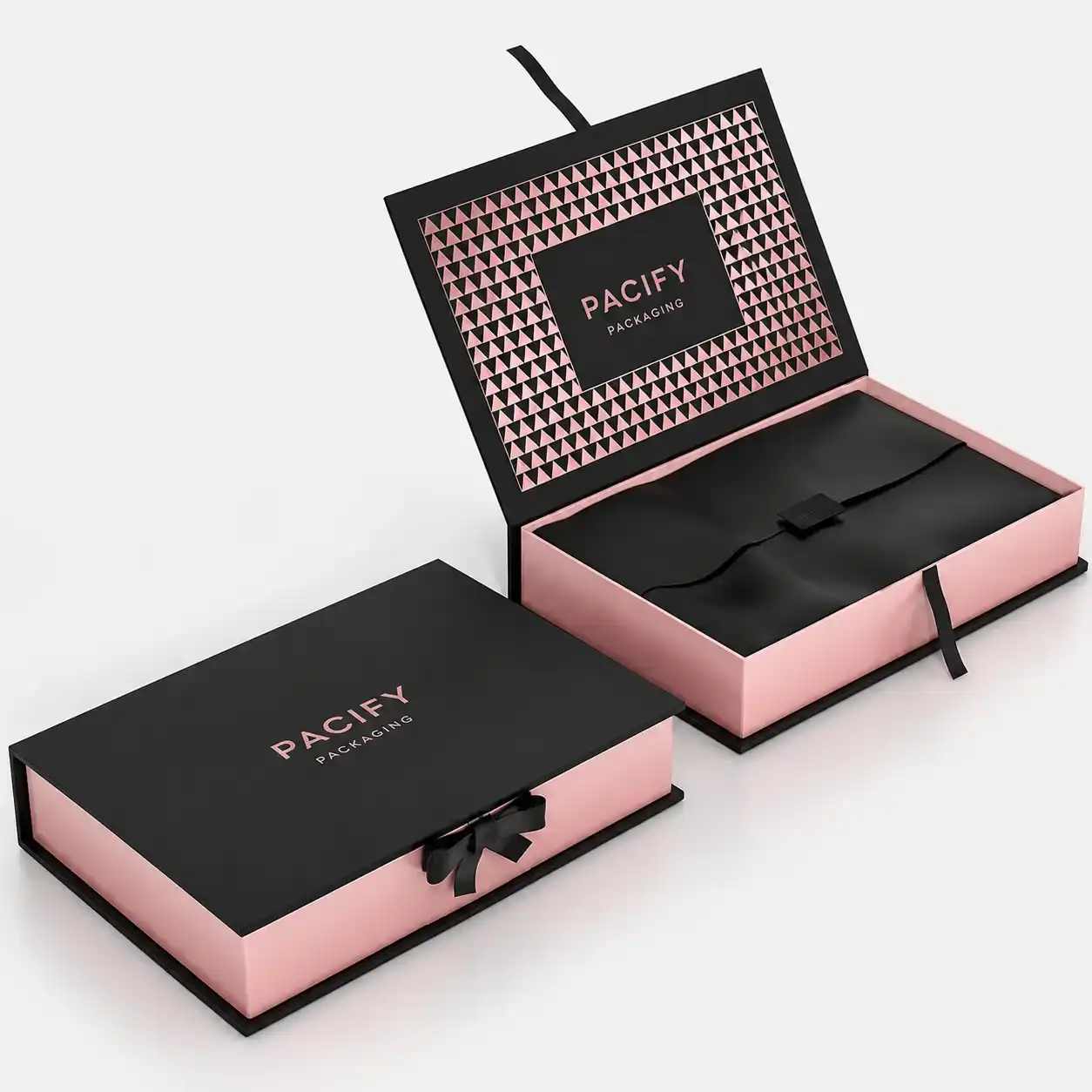
Premium Rigid Tech Cartons
Engineered with 1200–1500gsm greyboard, wrapped in 157gsm coated art paper with soft-touch lamination. Ideal for flagship smartphones, smartwatches, and audiophile headphones.
Get Catalog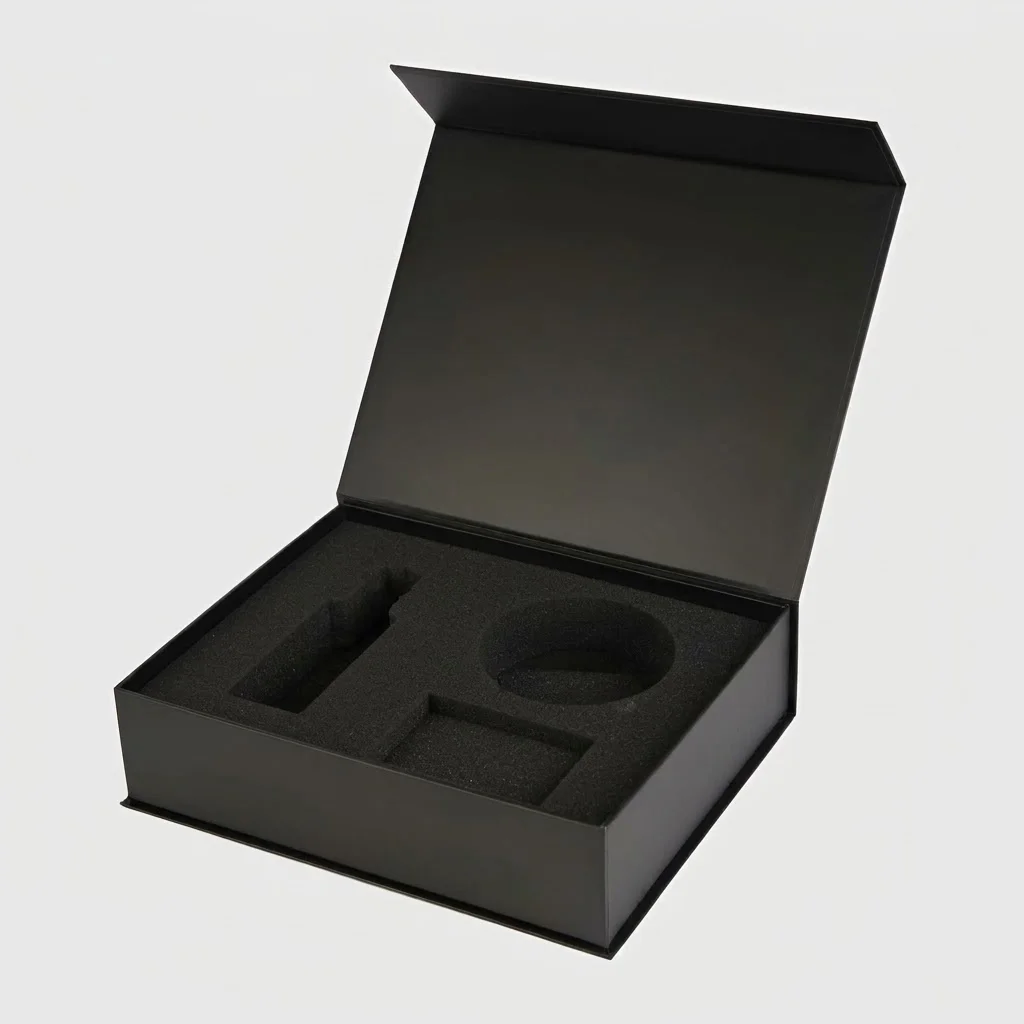
Magnetic Flap Tech Boxes
Hidden N35 neodymium magnet closures integrated into book-style rigid boxes. Includes precision die-cut EVA foam trays for high-end accessories and developer hardware kits.
Get Catalog
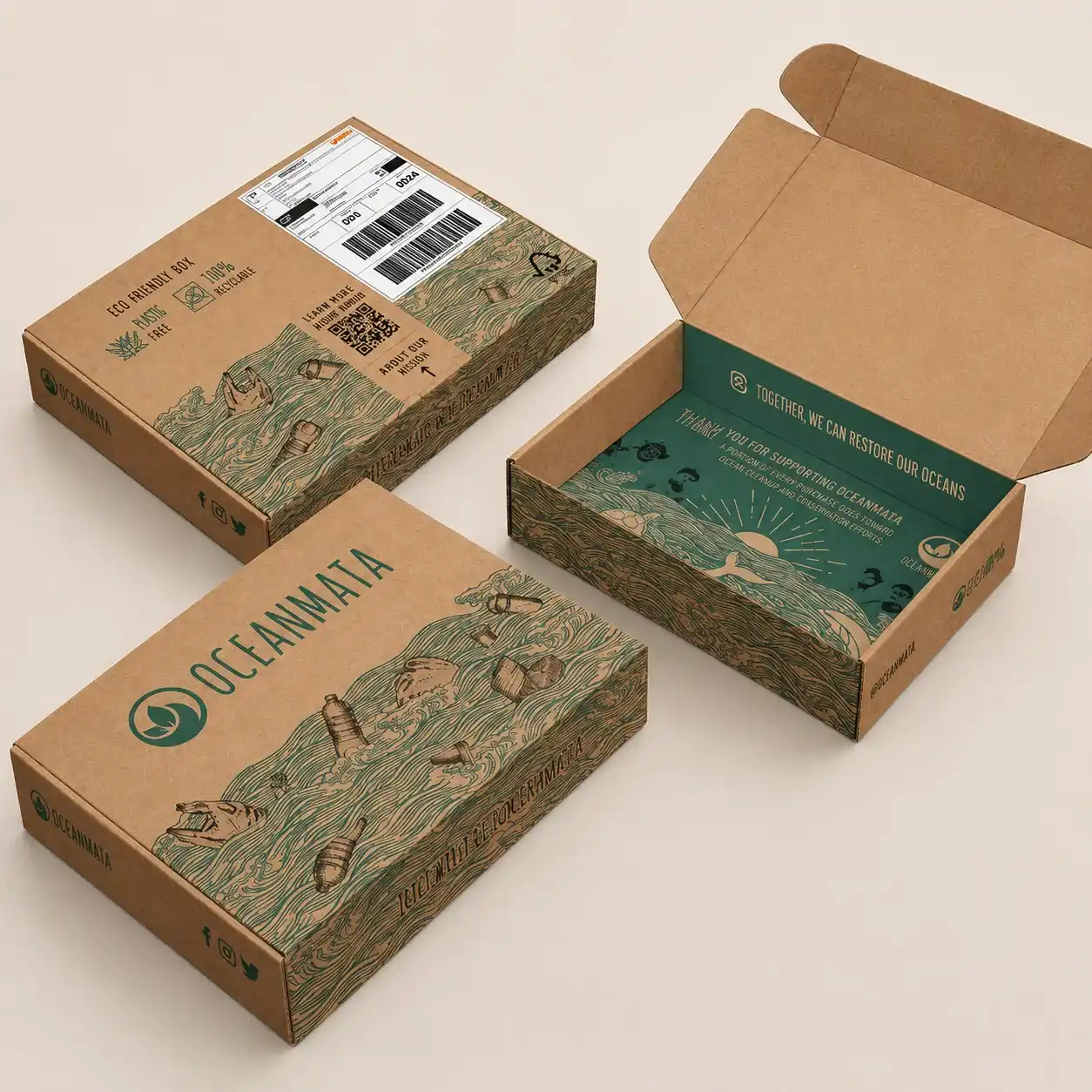
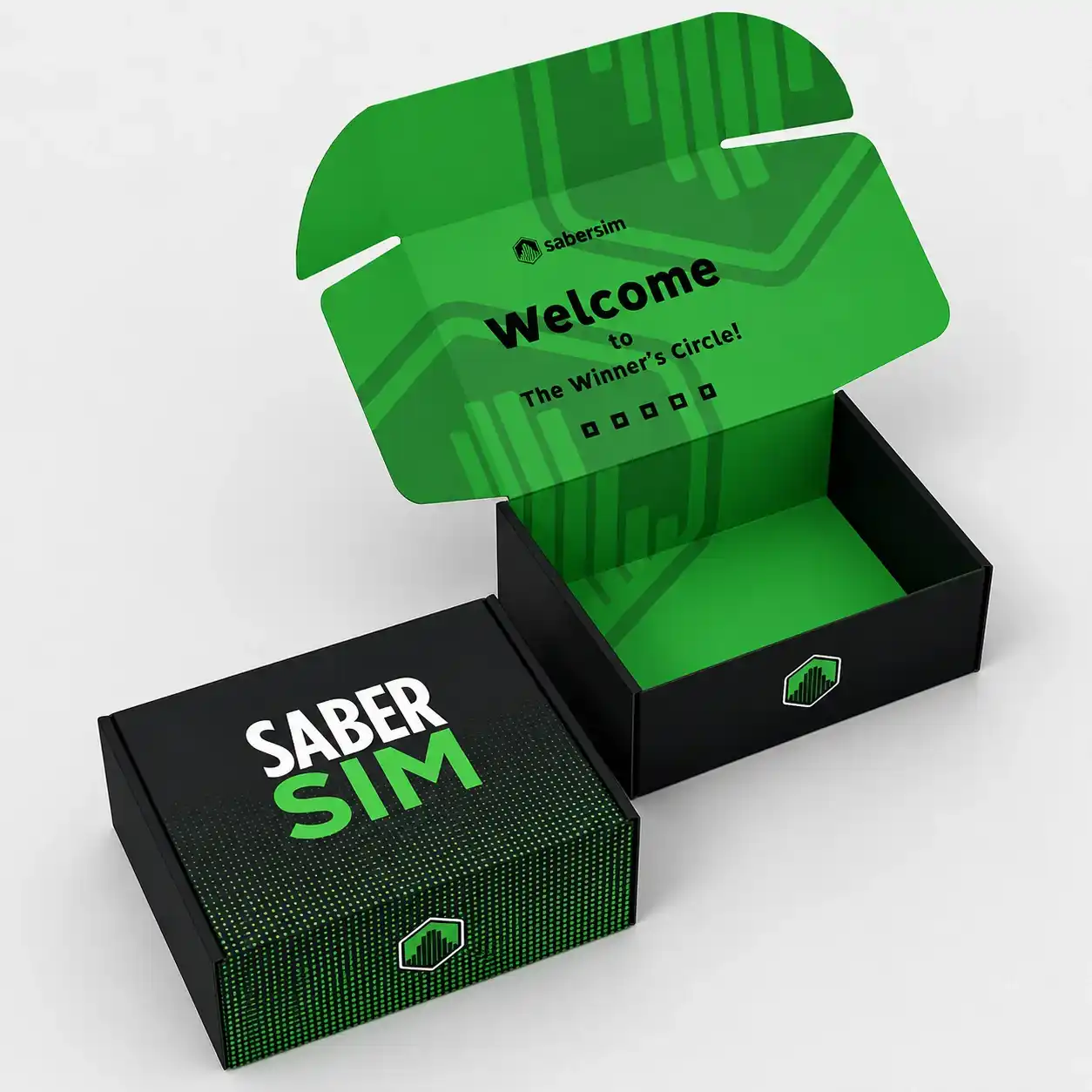
E-Commerce Corrugated Mailers
High ECT (Edge Crush Test) E-flute and B-flute corrugated mailer cartons. Printed inside and out with anti-crush tuck-front flaps designed for direct shipping survival without outer box requirements.
Get Catalog
Retail Folding Cartons
Constructed from 18pt–24pt Solid Bleached Sulfate (SBS) board. Options include Euro-hang tabs, anti-tamper security locks, and crystal-clear PET windows for cable and charger retail pegs.
Get CatalogTechnical Material Comparison for Electronics Cartons
To help supply chain managers make data-backed material decisions, the following technical matrix details performance metrics across standard board substrate options:
| Packaging Substrate | Grammage / Thickness | Structural Rigidity | ESD Safety Suitability | Best Use Case |
|---|---|---|---|---|
| Rigid Greyboard | 800 – 1500 gsm | Extreme (High Compression) | Excellent (With EVA/EPE liners) | Flagship hardware, VR Headsets, Smart Watches |
| E-Flute Corrugated | 1.5mm Flute / 200–300 gsm | High (Shock Absorbing) | Good (With static dissipative bags) | E-Commerce Shippers, Smart Home Routers |
| SBS Paperboard | 18pt – 28pt (350–500 gsm) | Moderate (Flex structural) | Moderate (Requires barrier film) | Retail Peg Cartons, Charging Cables, USB Accessories |
| Kraft Unbleached Board | 16pt – 24pt (300–450 gsm) | High Tensile Strength | Good (Low static buildup) | Eco-friendly Consumer Tech, Recycled Accessories |
Key Global Sourcing Trends in Consumer Tech Packaging (2025–2030)
As artificial intelligence, localized supply chain resilience, and global environmental mandates reshape procurement, hardware purchasing managers must prepare for critical evolutions in custom electronics retail packaging cartons:
1. Transition to 100% Plastic-Free Internal Fitments
Historically, consumer electronics packaging relied heavily on thermoformed thermo-plastic (PET/PVC) blister trays to hold devices and accessories securely. Global environmental regulations, including EU Directive on Packaging and Packaging Waste (PPWR) and US state-level EPR (Extended Producer Responsibility) laws, are forcing a total elimination of single-use plastic trays. Leading electronics brands are transitioning to biodegradable molded sugarcane bagasse pulp and precision laser die-cut corrugated paperboard inserts. Molded pulp fits delicate electronics contours perfectly while providing dynamic shock absorption during drop tests.
2. RFID & Smart Interactive Retail Integration
Modern retail cartons are no longer passive paper shells. Sourcing trends show a 400% rise in demand for custom paperboard cartons pre-laminated with ultra-thin RFID (Radio Frequency Identification) tags and tamper-evident NFC (Near Field Communication) antennas embedded between the inner paper layers. This enables automated real-time inventory tracking in retail warehouses, deters organized retail crime (ORC) shoplifting, and allows consumers to scan the physical box with their smartphone for instant digital setup tutorials before opening.
3. Compact Volume Optimization & Dimensional Weight Compression
With air freight and oceanic container shipping costs subject to global volatility, hardware logistics teams are prioritizing cube-efficiency engineering. By reducing empty airspace inside custom electronics retail packaging cartons by just 8% to 12%, brands can fit up to 25% more master cartons per shipping pallet. Our structural design team uses 3D CAD modeling to engineer ultra-tight tolerance internal cavities that eliminate redundant void-fill without sacrificing shock dampening.
4. ESD (Electrostatic Discharge) Shielding Coatings
Unprotected paperboard can accumulate static charges during automated high-speed conveyor transportation. For sensitive micro-semiconductors, solid-state drives (SSDs), and printed circuit board assemblies (PCBAs), electrostatic discharge can permanently degrade internal micro-circuits before the consumer turns on the device. Sourcing specified anti-static carbon-infused or dissipative polymer coatings applied directly to the interior paperboard liner ensures safe electrostatic dissipation during transit.
Manufacturing Advances in Retail Packaging Aesthetics & Unboxing Ergonomics
The consumer electronics industry is driven by emotion and perceived brand value. When a customer purchases a high-value electronic device, the mechanical resistance of opening the box sets the tone for their brand expectation. Retail packaging design has shifted from simple box containment to calibrated unboxing physics and advanced graphic finishing.
Unboxing Vacuum Air Resistance Control
For two-piece telescoping rigid boxes (lid-and-base construction commonly used in premium smartphones and tablets), manufacturing tolerances are calculated to the tenth of a millimeter. By adjusting the air-gap clearance between the inner neck and outer lid wrapper, we engineer a controlled 2-to-4 second slow-slide gravitational reveal. This creates a tactile moment of anticipation that elevates brand equity.
Furthermore, smooth-release finger notches, ribbon pull tabs, and magnetic dampening latches ensure that access to power cables and user manuals is intuitive and frustration-free.

High-Impact Finishing & Anti-Fingerprint Surface Treatments
Retail displays expose packaging to intense overhead store lighting and frequent customer handling. Electronics cartons now routinely utilize sophisticated surface treatments to maintain pristine shelf appearance:
- Soft-Touch Matte Lamination: Delivers a velvet-like tactile feel while eliminating high-glare reflections under store halogen lighting. High-grade coatings include anti-scratch additive layers that prevent scuffing during warehouse transit.
- Tactile Spot UV & 3D Embossing: Emphasizes product renders, brand logos, or technical specifications by applying raised, glass-like gloss coatings selectively over matte backgrounds.
- Hot Foil Stamping (Gold/Silver/Holographic): Applied to high-end audio and gaming logos to signal premium grade and deter photographic counterfeit reproduction.
- Soy-Based Low-VOC Inks: High-pigment CMYK and Pantone PMS spot printing using non-toxic soy inks that yield rich color saturation without releasing harmful volatile organic compounds into production facilities.
Frequently Asked Questions for Electronics Packaging Procurement
Below are authoritative responses to the primary technical and commercial questions submitted by B2B electronics buyers, supply chain specialists, and brand managers:
What parameters are required to generate a precise custom electronics carton dieline?
To generate a production-ready dieline, our structural team requires three core data points: (1) Exact physical dimensions of your electronic hardware (Length × Width × Height in mm), (2) The complete list of bundled accessories (chargers, cables, dongles, manuals) needing designated compartments, and (3) Target shipping channel (direct-to-consumer e-commerce vs. retail display rack). We deliver 2D vector dielines in AI or PDF format within 24–48 hours.
How do you perform drop-testing validation for fragile electronics cartons?
Our prototypes undergo simulated distribution testing following ISTA 3A and 1A standards. The packaged sample is subjected to free-fall drop tests onto concrete surfaces from heights ranging from 30 to 48 inches across 10 impact orientations (corners, edges, and flat faces), followed by random vibration testing. Structural integrity is confirmed only when the electronic unit remains undamaged and operational.
What is the lead time for custom electronics prototypes and mass production?
Digital dielines are provided in 24–48 hours. Physical structural prototypes with custom cut inserts take 4–7 business days. Mass production typically requires 10–15 business days following final sample sign-off. Expedited air shipping to any US state takes 5–7 days, while ocean freight takes 25–35 days for maximum landed cost savings.
What anti-theft and security features can be integrated into retail cartons?
We integrate several retail theft-prevention mechanisms directly into carton structures, including reinforced inner Euro-hang tabs that prevent tearing off peg displays, tamper-evident tear strips, security seal sticker locks, and hidden interior pockets designed to hold anti-theft EAS (Electronic Article Surveillance) security tags or RFID tags.
Can you supply FSC-certified and RoHS/REACH compliant packaging?
Yes. All our raw paperboard materials can be sourced with FSC (Forest Stewardship Council) chain-of-custody certification, ensuring sustainable forestry practices. Additionally, all inks, adhesives, coatings, and plastic window films comply fully with EU RoHS, REACH, and California Proposition 65 heavy metal and chemical limits.
What minimum order quantities (MOQ) apply to custom printed electronics boxes?
We support scaling businesses with accessible MOQs: 100 units per artwork for luxury rigid gift boxes and magnetic closure cartons, and 250 units for custom printed folding cartons and corrugated mailer boxes. Custom die tooling costs are quoted clearly upfront without hidden setup fees.